People with limited mobility and those with wheelchairs will now have better access to Upland Art Center and First Street Gallery. The creative hub is where artists from the Tierra del Sol Foundation work from the studios.
An Inland Empire Community Foundation grant via the James Bernard and Mildred Jordan Tucker Fund has given that nonprofit an opportunity to create accessible ramps coming into the studio and four accessible doors and entryways into the space for the artists.
“The impact of the grant is huge,” said Lauren Romero, program director at Upland Art Studio. “Before this, we would have to rely on cameras and staff being near a door, but now an artist is able to access the building easily.”
Increasing accessibility — literally — offers an easier pathway to create art inside the studio, which was established in 1989. Tierra del Sol, however, came to life in 1971 in Sunland, because of the efforts of parents in the region who wanted an alternative to institutional care for their children.
What began as a path to self-advocacy quickly turned into much more.
Residents wanted their children to be viewed as permanent members of their families. Over time, Tierra del Sol became revered for empowering people with developmental disabilities through programs, including workforce development, College to Career and Careers in the Art.
Chelsea Lenninger shows artwork in October 2024 at the Tierra del Sol Foundation’s Upland Art Studio. (Courtesy of Tierra del Sol Foundation)
Angel Rodriguez displays artwork in October 2024 at the Tierra del Sol Foundation’s Upland Art Studio. (Courtesy of Tierra del Sol Foundation)
Angel Rodriguez displays artwork in October 2024 at the Tierra del Sol Foundation’s Upland Art Studio. (Courtesy of Tierra del Sol Foundation)
1 of 3
Chelsea Lenninger shows artwork in October 2024 at the Tierra del Sol Foundation’s Upland Art Studio. (Courtesy of Tierra del Sol Foundation)
“It’s important to know that currently we have 75 artists that use this beautiful creative space on a daily basis and that we are open to the community and the public,” Romero said. “Our artists make their own work, but they also teach and lead workshops that are open to the public — and for all ages as well.”
Romero added that the art center has a significant goal in mind.
“We’re trying to have community participation on all levels, whether that’s us going out into the community, providing workshops led by our folks, but also inviting the community into our big, beautiful space so that it can be shared,” she said.
All the artists that come to the studios to work receive services through regional centers.
“These are services based on a physical or developmental disability,” Romero said. “These folks have made a choice in their career path as artists. They come to us with an interest in creating their own work and their own body of work, but also in how they can kind of create a career, income and employment in the arts.”
“Some of the other ways that they do that is by offering public workshops, and curating shows,” she said. “They work on multiple levels based on their preference.”
Artists of varying ages participate.
“We serve anywhere from 18 and up, and we have a couple folks in their 70s,” Romero said, noting the average age of artists on hand now is 25.
“We have all ages and stages of life in adulthood coming here,” she said. “They access materials and supplies needed to make their work. We have online shows. We have a gallery in West Hollywood that features their work, and we submit to shows offsite as well. We really do our best to promote our artists and their work.”
Another interesting art center component is BLVD: Pottery & Marketplace. The handmade crafts studio brings artisanal and heritage pieces back into the community. Here, traditional craft materials and processes are incorporated to find new ways of expression, while also combining the distinction between art and craft.
WASHINGTON — Fifty years ago, the Supreme Court ruled unanimously that U.S. Border Patrol agents violated the Constitution when they stopped a car on a freeway near San Clemente because its occupants appeared to be “of Mexican ancestry.”
The 4th Amendment protects Americans from unreasonable searches, the justices said then, and a motorist’s “Mexican appearance” does not justify stopping them to ask about their immigration status.
But the court sounded a decidedly different note on Monday when it ruled for the Trump administration and cleared the way for stopping and questioning Latinos who may be here illegally. By a 6-3 vote, the justices set aside a Los Angeles judge’s temporary restraining order that barred agents from stopping people based in part on their race or apparent ethnicity.
“Apparent ethnicity alone cannot furnish reasonable suspicion,” said Justice Brett M. Kavanaugh. “However, it can be a relevant factor when considered along with other salient factors.”
Critics of the ruling said it had opened the door for authorizing racial and ethnic bias.
UCLA law professor Ahilan Arulanantham called it “shocking and appalling. I don’t know of any recent decision like this that authorized racial discrimination.”
Arulanantham noted that Kavanaugh’s writings speak for the justice alone, and that the full court did not explain its ruling on a case that came through its emergency docket.
By contrast, he and others pointed out that the court under Chief Justice John G. Roberts Jr. prohibited the use of race or ethnicity as a factor in college admissions.
“Eliminating racial discrimination means eliminating all of it,” Roberts wrote for a 6-3 majority in 2023. That decision struck down the affirmative action policies at Harvard and the University of North Carolina.
“Today, the Supreme Court took a step in a badly wrong direction,” Ilya Somin, a George Mason University law professor, wrote on the Volokh Conspiracy blog. “It makes no sense to conclude that racial and ethnic discrimination is generally unconstitutional, yet also that its use is ‘reasonable’ under the 4th Amendment.”
Reports had already emerged before the decision of ICE agents confronting U.S. citizens and lawful permanent residents before they have been able to prove their status, compelling many to begin carrying documentation around at all times.
In New York on Monday, one man outside a federal court was pushed by ICE agents before being able to show them his identification. He was let go.
Asked by The Times to respond to increasing concern among U.S. citizens they could be swept up in expanded ICE raids as a result of the ruling, White House Press Secretary Karoline Leavitt said Tuesday that individuals should not be worried.
She added that immigration agents conduct targeted operations with the use of law enforcement intelligence.
“The Supreme Court upheld the Trump administration’s right to stop individuals in Los Angeles to briefly question them regarding their legal status, because the law allows this, and this has been the practice of the federal government for decades,” Leavitt said. “The Immigration and Nationality Act states that immigration officers can briefly stop an individual to question them about their immigration status, if the officer has reasonable suspicion that the individual is illegally present in the United States. And reasonable suspicion is not just based on race — it’s based on a totality of the circumstances.”
On X, the House Homeland Security Committee Democrats responded to Leavitt’s comments, writing: “ICE has jailed U.S. citizens. The Trump Admin is defending racial profiling. Nobody is safe when ‘looking Hispanic’ is treated as probable cause.”
Justice Sonia Sotomayor in her dissent pointed out that nearly half of the residents of Greater Los Angeles are Latino and can speak Spanish.
“Countless people in the Los Angeles area have been grabbed, thrown to the ground and handcuffed because of their looks, their accents, and the fact that they make a living by doing manual labor,” she wrote. “Today, the Court needlessly subjects countless more to these exact same indignities.”
At issue in the case was the meaning of “reasonable suspicion.”
For decades, the court has said police and federal agents may stop and question someone if they see something specific that suggests they may be violating the law.
But the two sides disagreed over whether agents may stop people because they appear to be Latinos and work as day laborers, at car washes or other low-wage jobs.
President Trump’s lawyers as well as Kavanaugh said agents may make stops based on the “totality of the circumstances” and that may include where people work as well as their ethnicity. They also pointed to the data that suggests about 10% of the people in the Los Angeles area are illegally in the United States.
Tom Homan, the White House border advisor, said that the legal standard of reasonable suspicion “has a group of factors you must take into consideration,” adding, “racial profiling is not happening at all.”
It is a “false narrative being pushed,” Homan told MSNBC in an interview, praising the Supreme Court decision. “We don’t arrest somebody or detain somebody without reasonable suspicion.”
The all-purpose adage offering optimism — and sometimes pessimism — to those confronting a crisis head-on is: “This too shall pass.”
One gets the impression that this is a crutch favored by some major institutions that have capitulated to Donald Trump’s demands — such as universities that have committed to fines and payouts stretching out several years, beyond the end of Trump’s current (and final) term and law firms that have made nebulous commitments to represent Trump’s favored litigants in cases that may not even be brought until after the 2028 elections.
Some institutions and services that have suffered major cuts in government funding may be tempted to hunker down, covering what they think may be a temporary shortfall in the expectation that a subsequent administration will restore the withheld funding and cover their interim losses. Recovery, however, may be tougher than they think.
The best-case scenario is that we limp along for the next three and a half years…But that’s just a hope.
— Jonathan Howard, New York University
I reached out to some of my most trusted contacts in science, medicine, labor and other fields, hoping to hear encouragement that the current situation will be fleeting and it isn’t too soon to look ahead; Trump’s presidential term, after all, is finite.
I ended up with a string of the gloomiest conversations in my long career — and I’ve covered two foreign civil wars and more stock market crashes and economic slumps than I can count. (Well, let’s say more than a dozen.)
Newsletter
Get the latest from Michael Hiltzik
Commentary on economics and more from a Pulitzer Prize winner.
You may occasionally receive promotional content from the Los Angeles Times.
“We’re still in free fall and people are still in a ‘shock and awe’ phase,” says vaccinologist Peter Hotez, who has written to defend sound science throughout Trump’s terms. “What’s happening right now is continuing to evolve, and we don’t really know where it’s going. It’s important not to take the attitude of ‘this too will pass,’ hunker down for a couple of years and then it will go back to the way it was.”
The administration’s cuts in biomedical research funding, the “continuing ascendance of the MAHA movement” — Robert F. Kennedy Jr.’s disdain for accepted science in favor of pseudoscience — betokens a dark period ahead, Hotez told me. “Even if these things stop tomorrow, you’ve got a pretty demoralized physician and scientific workforce. What this administration has done has given being a scientist an unsavory element — it’s no longer a noble profession.”
Of particular concern is the administration’s injection of partisan ideologies into the scientific grant-making process, shattering applicants’ confidence that their submissions are considered fairly. The scoring of grant applications by professional panels used to be the key element in the process.
“Now, even if you get a fundable score,” Hotez says, “there’s still somebody behind the curtain who still could nix it for ideological reasons. And even if your first year is funded there’s no guarantee for out years.”
The uncertainty that injects could hamstring scientific research for a generation, or longer.
“How easy is it to rebuild a lab that’s been hit by cuts?” says John P. Moore, a professor of microbiology and immunology at Weill Cornell Medical College, where labs have been hobbled by the administration’s toying with grants. “The answer is it’s very difficult, once you lose key members of a research group, who are often the senior technicians who have institutional memory and keep a program going day to day. At a certain point, a freeze or a termination is not reversible.”
Moore also points to the consequences of a loss of foreign-born scientists. “America is now not a welcoming country for immigrants, period. Scientists who are here on short-term visas are realizing that their future is not in this country. Other countries are seeking to suck up talent that otherwise would have come here. That’s going to have an impact over time, and it’s not going to be easy to reverse.”
In my conversations with scientists, one name kept coming up: Trofim Lysenko, the charlatan whose reign over Soviet science during Stalin’s regime from the 1930s to the 1960s and whose promotion of an anti-science ideology, especially a campaign against genetics research, encompassed repeated crop failures and famines costing some 7 million lives. I made the connection between Lysenkoism and Trump’s appointment of Robert F. Kennedy Jr. to head the Department of Health and Human Services in November.
“The Soviet Union did everything they could to invest back in science and genetics and molecular biology, but it was still stagnant,” says Angela Rasmussen, a leading American virologist now working in Canada. “But despite the attempts to rebuild what Lysenko had torn down, they were never able to compete with people everywhere else because they had lost so much by shutting down all genetics research during that time.”
Three factors could be lasting obstacles: Trump’s undermining of federal employment, of the law and of the economy.
Trump has systematically demoralized the workforce responsible for enforcing the regulations that remain. That’s the observation of David Weil, a labor expert at Brandeis University whose nomination by President Biden for a top-level post at the Department of Labor was sidelined by conservative opposition in 2022.
The law has been a thin reed to lean on, Weil observes. A key example is the attack by Elon Musk’s SpaceX on the National Labor Relations Board, which garnered an opinion from the notoriously right-wing 5th Circuit Court of Appeals last month finding that the NLRB’s structure “violates the separation of powers” established by the Constitution. That’s a remarkable finding, given that the NLRB was established 90 years ago, in 1935.
“If the Supreme Court upholds the 5th Circuit, “ Weil told me, “that’s the end of the NLRA,” the act that established the board, “and we go back to a system where there’s no federal statutory method for protecting private sector workers.”
What Weil finds especially disquieting is the Supreme Court’s practice of allowing Trump to continue challenged policies while the underlying issues are litigated. “Instead of letting the status quo to prevail until we adjudicate the issues, they’re letting Trump prevail until they adjudicate. That, to me, is a formula for destruction. How do you rebuild then?”
The court has done this by lifting the stays on Trump policies imposed by lower courts, pending further rulings. That’s what happened as recently as Monday, when the court overturned a Los Angeles federal judge’s order that had barred “roving patrols” of immigration officers from snatching people off Southern California streets based on how they look, what language they speak, what work they do or where they happen to be.
One issue casting a shadow over all others is the future course of Trump’s economy. At this moment, the warning signs are all flashing red. Inflation is on the rise — core inflation as measured by the personal consumption index, the Federal Reserve’s preferred metric, rose in July to an annualized rate of 2.9%, the highest rate since February; economists expect the rate to keep rising as businesses pass through more of their tariff-related costs to consumers.
Meanwhile, new hiring has ground to a screeching halt, according to the latest government statistics. The unemployment rate notched up to 4.3% in July, not the direction Trump would like to see. The rate hasn’t been this high since the pandemic year of 2021.
Trump also has remade the government’s relationship with industry, extracting a fee from the AI chipmaker Nvidia of 15% of its revenue from selling chips to China and taking a 9.9% equity stake in the faltering chipmaker Intel. That’s not the first time the government has owned a piece of a public company — it owned most of GM during the Great Recession, but later sold its stake; Trump is talking about making a habit of these buy-ins through a sovereign wealth fund, an idea that’s far from universally favored by political leaders and economists.
Trump’s rampage through government agencies, especially those devoted to science, health and the economy, has left some so severely damaged that fixing what’s broken might require the establishment of a Cabinet-level post to oversee the repair job.
Consider the state of the Centers for Disease Control and Prevention, where five top officials resigned or were forced out late last month — including CDC Director Susan Monarez, who was fired after less than a month on the job after tangling with Health and Human Affairs Secretary Robert F. Kennedy Jr. Anyone tasked by a future administration with rebuilding the CDC, which once set the global gold standard for public health, will have to be told: “You know you’ll be starting from scratch, right?”
It’s only fair to say that the GOP hasn’t had a monopoly on philistine attacks on scientific research. The pioneer of such cocksure philistinism was Sen. William Proxmire (D-Wis.), who started issuing his “Golden Fleece” awards in 1975. Proxmire became addicted to the fawning press attention he got from caricaturing serious scientific research as ludicrous. His know-nothing rabble-rousing appalled progressives who otherwise admired him for his principled stands against the Vietnam War and in favor of campaign finance reform.
But its more lasting and destructive effect was to render political attacks on scientific research acceptable. Proxmire’s goal was personal aggrandizement. The goal of the current attackers is more sinister — they’re engaged in an anti-science campaign for strictly ideological purposes.
“The best-case scenario is that we limp along for the next three and a half years,” says Jonathan Howard, a neurologist at New York University and a practiced debunker of the pseudoscience that contaminated efforts to fight the pandemic. “Good people stay on and do good work the best they can and we get a reprieve in three and a half years and the amount of damage they’re able to do is limited in that time. But that’s just a hope.”
The Dodgers’ Teoscar Hernández gestures as he runs the bases after hitting a solo home run during the fourth inning of a game against the Colorado Rockies on Tuesday, Sept. 9, 2025, at Dodger Stadium. (Photo by Keith Birmingham, Pasadena Star-News/SCNG)
Dodgers starting pitcher Emmet Sheehan throws to the plate during a game against the Colorado Rockies on Tuesday, Sept. 9, 2025, at Dodger Stadium. (Photo by Keith Birmingham, Pasadena Star-News/SCNG)
Dodgers star Shohei Ohtani watches his fly ball for an out during the first inning of a game against the Colorado Rockies on Tuesday, Sept. 9, 2025, at Dodger Stadium. (Photo by Keith Birmingham, Pasadena Star-News/SCNG)
Colorado Rockies starting pitcher German Marquez throws to the plate during the first inning of a game against the Dodgers on Tuesday, Sept. 9, 2025, at Dodger Stadium. (Photo by Keith Birmingham, Pasadena Star-News/SCNG)
The Dodgers’ Mookie Betts reacts after flying out during the first inning of a game against the Colorado Rockies on Tuesday, Sept. 9, 2025, at Dodger Stadium. (Photo by Keith Birmingham, Pasadena Star-News/SCNG)
The Dodgers’ Will Smith hits a double during the second inning of a game against the Colorado Rockies on Tuesday, Sept. 9, 2025, at Dodger Stadium. (Photo by Keith Birmingham, Pasadena Star-News/SCNG)
The Dodgers’ Will Smith runs after hitting a double during the second inning of a game against the Colorado Rockies on Tuesday, Sept. 9, 2025, at Dodger Stadium. (Photo by Keith Birmingham, Pasadena Star-News/SCNG)
The Dodgers’ Will Smith runs after hitting a double during the second inning of a game against the Colorado Rockies on Tuesday, Sept. 9, 2025, at Dodger Stadium. (Photo by Keith Birmingham, Pasadena Star-News/SCNG)
Colorado Rockies starting pitcher Antonio Senzatela throws to the plate during the first inning of a game against the Dodgers on Tuesday, Sept. 9, 2025, at Dodger Stadium. (AP Photo/Mark J. Terrill)
The Dodgers’ Will Smith is congratulated by teammates in the dugout after scoring on a wild pitch during the second inning of a game against the Colorado Rockies on Tuesday, Sept. 9, 2025, at Dodger Stadium. (AP Photo/Mark J. Terrill)
Dodgers starting pitcher Emmet Sheehan throws to the plate during the first inning of a game against the Colorado Rockies on Tuesday, Sept. 9, 2025, at Dodger Stadium. (Photo by Keith Birmingham, Pasadena Star-News/SCNG)
Dodgers star Shohei Ohtani dives back to first base ahead of the tag by Colorado Rockies first baseman Michael Toglia on a pickoff attempt during the third inning on Tuesday, Sept. 9, 2025, at Dodger Stadium. (Photo by Keith Birmingham, Pasadena Star-News/SCNG)
Dodgers star Shohei Ohtani steals second base as Colorado Rockies second baseman Tyler Freeman takes a late throw during the third inning on Tuesday, Sept. 9, 2025, at Dodger Stadium. (AP Photo/Mark J. Terrill)
The Dodgers’ Mookie Betts hits a two-run home run during the third inning of a game against the Colorado Rockies on Tuesday, Sept. 9, 2025, at Dodger Stadium. (Photo by Keith Birmingham, Pasadena Star-News/SCNG)
The Dodgers’ Mookie Betts hits a two-run home run during the third inning of a game against the Colorado Rockies on Tuesday, Sept. 9, 2025, at Dodger Stadium. (Photo by Keith Birmingham, Pasadena Star-News/SCNG)
The Dodgers’ Mookie Betts hits a two-run home run during the third inning of a game against the Colorado Rockies on Tuesday, Sept. 9, 2025, at Dodger Stadium. (AP Photo/Mark J. Terrill)
The Dodgers’ Mookie Betts, right, and Colorado Rockies starting pitcher German Marquez, left, watch the flight of Betts’ two-run home run during the third inning on Tuesday, Sept. 9, 2025, at Dodger Stadium. (Photo by Keith Birmingham, Pasadena Star-News/SCNG)
The Dodgers’ Mookie Betts, left, celebrates as he runs the bases after hitting a two-run home run during the third inning of a game against the Colorado Rockies on Tuesday, Sept. 9, 2025, at Dodger Stadium. (AP Photo/Mark J. Terrill)
The Dodgers’ Mookie Betts, center, celebrates with teammate Shohei Ohtani after hitting a two-run home run during the third inning of a game against the Colorado Rockies on Tuesday, Sept. 9, 2025, at Dodger Stadium. (AP Photo/Mark J. Terrill)
The Dodgers’ Mookie Betts, right, is greeted by Shohei Ohtani, center, and Freddie Freeman after he hit a two-run home run during the third inning of a game against the Colorado Rockies on Tuesday, Sept. 9, 2025, at Dodger Stadium. (Photo by Keith Birmingham, Pasadena Star-News/SCNG)
The Dodgers’ Mookie Betts, left, is congratulated by Shohei Ohtani after hitting a two-run home run during the third inning of a game against the Colorado Rockies on Tuesday, Sept. 9, 2025, at Dodger Stadium. (AP Photo/Mark J. Terrill)
The Dodgers’ Mookie Betts is showered with sunflower seeds as he returns to the dugout after hitting a two-run home run during the third inning of a game against the Colorado Rockies on Tuesday, Sept. 9, 2025, at Dodger Stadium. (AP Photo/Mark J. Terrill)
Dodgers starting pitcher Emmet Sheehan throws to the plate during the first inning of a game against the Colorado Rockies on Tuesday, Sept. 9, 2025, at Dodger Stadium. (AP Photo/Mark J. Terrill)
Dodgers starting pitcher Emmet Sheehan throws to the plate during the sixth inning of a game against the Colorado Rockies on Tuesday, Sept. 9, 2025, at Dodger Stadium. (Photo by Keith Birmingham, Pasadena Star-News/SCNG)
Dodgers first baseman Freddie Freeman catches a pop-up hit by the Colorado Rockies’ Brenton Doyle to end the top of the fifth inning on Tuesday, Sept. 9, 2025, at Dodger Stadium. (Photo by Keith Birmingham, Pasadena Star-News/SCNG)
The Dodgers’ Andy Pages, right, tags up and slides into second base ahead of the tag by Colorado Rockies second baseman Tyler Freeman on a fly out by teammate Miguel Rojas during the fifth inning on Tuesday, Sept. 9, 2025, at Dodger Stadium. (Photo by Keith Birmingham, Pasadena Star-News/SCNG)
The Dodgers’ Andy Pages, right, tags up and advances to second base ahead of the tag by Colorado Rockies second baseman Tyler Freeman on a fly out by teammate Miguel Rojas during the fifth inning on Tuesday, Sept. 9, 2025, at Dodger Stadium. (Photo by Keith Birmingham, Pasadena Star-News/SCNG)
Dodgers star Shohei Ohtani hits an RBI single to score Andy Pages (not pictured) during the fifth inning of a game against the Colorado Rockies on Tuesday, Sept. 9, 2025, at Dodger Stadium. (Photo by Keith Birmingham, Pasadena Star-News/SCNG)
Dodgers star Shohei Ohtani begins to run after hitting an RBI single that scored Andy Pages (not pictured) during the fifth inning of a game against the Colorado Rockies on Tuesday, Sept. 9, 2025, at Dodger Stadium. (Photo by Keith Birmingham, Pasadena Star-News/SCNG)
Dodgers star Shohei Ohtani begins to run after hitting an RBI single that scored Andy Pages (not pictured) during the fifth inning of a game against the Colorado Rockies on Tuesday, Sept. 9, 2025, at Dodger Stadium. (Photo by Keith Birmingham, Pasadena Star-News/SCNG)
Dodgers star Shohei Ohtani, left, touches helmets with first base coach Chris Woodward after hitting an RBI single during the fifth inning of a game against the Colorado Rockies on Tuesday, Sept. 9, 2025, at Dodger Stadium. (AP Photo/Mark J. Terrill)
The Dodgers’ Mookie Betts hits a double during the fifth inning of a game against the Colorado Rockies on Tuesday, Sept. 9, 2025, at Dodger Stadium. (Photo by Keith Birmingham, Pasadena Star-News/SCNG)
Dodgers star Shohei Ohtani runs to third base on a double by Mookie Betts as Colorado Rockies second baseman Tyler Freeman watches during the fifth inning on Tuesday, Sept. 9, 2025, at Dodger Stadium. (AP Photo/Mark J. Terrill)
Dodgers starting pitcher Emmet Sheehan throws to the plate during the sixth inning of a game against the Colorado Rockies on Tuesday, Sept. 9, 2025, at Dodger Stadium. (Photo by Keith Birmingham, Pasadena Star-News/SCNG)
The Colorado Rockies’ Kyle Karros hits a single for the first hit of the game against the Dodgers during the fifth inning on Tuesday, Sept. 9, 2025, at Dodger Stadium. (Photo by Keith Birmingham, Pasadena Star-News/SCNG)
The Colorado Rockies’ Kyle Karros runs after hitting a single for his team’s first hit of the night during the sixth inning of a game against the Dodgers on Tuesday, Sept. 9, 2025, at Dodger Stadium. (Photo by Keith Birmingham, Pasadena Star-News/SCNG)
Dodgers starting pitcher Emmet Sheehan throws to the plate during the sixth inning of a game against the Colorado Rockies on Tuesday, Sept. 9, 2025, at Dodger Stadium. (Photo by Keith Birmingham, Pasadena Star-News/SCNG)
Colorado Rockies third baseman Kyle Karros throws to first base to force out the Dodgers’ Andy Pages (not pictured) during the sixth inning on Tuesday, Sept. 9, 2025, at Dodger Stadium. (Photo by Keith Birmingham, Pasadena Star-News/SCNG)
Dodgers relief pitcher Alex Vesia throws to the plate during the eighth inning of a game against the Colorado Rockies on Tuesday, Sept. 9, 2025, at Dodger Stadium. (Photo by Keith Birmingham, Pasadena Star-News/SCNG)
The Dodgers’ Teoscar Hernández, top, begins to run the bases as he watches the flight of his solo home run off of Colorado Rockies relief pitcher Roansy Contreras, not pictured, during the eighth inning on Tuesday, Sept. 9, 2025, at Dodger Stadium. (AP Photo/Mark J. Terrill)
The Dodgers’ Teoscar Hernández, center, begins to run the bases as he watches the flight of his solo home run off of Colorado Rockies relief pitcher Roansy Contreras, left, during the eighth inning on Tuesday, Sept. 9, 2025, at Dodger Stadium. (AP Photo/Mark J. Terrill)
The Dodgers’ Teoscar Hernández hits his second solo home run of the night during the eighth inning of a game against the Colorado Rockies on Tuesday, Sept. 9, 2025, at Dodger Stadium. (Photo by Keith Birmingham, Pasadena Star-News/SCNG)
The Dodgers’ Teoscar Hernández, top, begins to run the bases as he watches the flight of his solo home run off of Colorado Rockies relief pitcher Roansy Contreras, front, during the eighth inning on Tuesday, Sept. 9, 2025, at Dodger Stadium. (AP Photo/Mark J. Terrill)
Colorado Rockies left fielder Jordan Beck watches as a ball hit by the Dodgers’ Teoscar Hernández lands in the stands for a solo home run during the eighth inning on Tuesday, Sept. 9, 2025, at Dodger Stadium. (AP Photo/Mark J. Terrill)
The Dodgers’ Teoscar Hernández is showered with sunflower seeds as he returns to the dugout after hitting a solo home run during the eighth inning of a game against the Colorado Rockies on Tuesday, Sept. 9, 2025, at Dodger Stadium. It was Hernandez’s second homer of the game. (AP Photo/Mark J. Terrill)
Dodgers relief pitcher Kirby Yates throws to the plate during the ninth inning of a game against the Colorado Rockies on Tuesday, Sept. 9, 2025, at Dodger Stadium. (Photo by Keith Birmingham, Pasadena Star-News/SCNG)
Dodgers relief pitcher Kirby Yates throws to the plate during the ninth inning of a game against the Colorado Rockies on Tuesday, Sept. 9, 2025, at Dodger Stadium. (AP Photo/Mark J. Terrill)
Dodgers players, clockwise from top, Will Smith, Kirby Yates, Mookie Betts, Miguel Rojas and Freddie Freeman celebrate after their 7-2 victory over the Colorado Rockies on Tuesday, Sept. 9, 2025, at Dodger Stadium. (AP Photo/Mark J. Terrill)
Dodgers manager Dave Roberts, left, greets Shohei Ohtani in the dugout before a game against the Colorado Rockies on Tuesday, Sept. 9, 2025, at Dodger Stadium. (AP Photo/Mark J. Terrill)
A Dodgers fan cheers during a game against the Colorado Rockies on Tuesday, Sept. 9, 2025, at Dodger Stadium. (AP Photo/Mark J. Terrill)
A Dodger Stadium security guard stands in front of the moon during the eighth inning of a game against the Colorado Rockies on Tuesday, Sept. 9, 2025, at Dodger Stadium. (AP Photo/Mark J. Terrill)
1 of 51
The Dodgers’ Teoscar Hernández gestures as he runs the bases after hitting a solo home run during the fourth inning of a game against the Colorado Rockies on Tuesday, Sept. 9, 2025, at Dodger Stadium. (Photo by Keith Birmingham, Pasadena Star-News/SCNG)
Right-hander Emmet Sheehan was the latest to get in on the craze by opening with five perfect innings on Tuesday on the way to the Dodgers’ 7-2 victory over the Rockies.
The 25-year-old Sheehan confirmed he does know about the Dodgers’ pitching legend. He was made aware of the anniversary just before he took the mound.
“I didn’t know, but I heard the pregame stuff going on, and so I was kind of wondering why they were doing it,” Sheehan said. “So I figured it was the anniversary of that.”
Sheehan’s effort, along with four home runs from the offense, allowed the Dodgers (81-64) to move two games up on the second-place San Diego Padres (79-66) in the National League West with 17 games left in the regular season.
Widely believed to be one of two starters the Dodgers will jettison once the playoffs arrive, Sheehan (6-3) at least wants to make the decision a tough one. He did not allow an earned run in two of his four August starts and gave up just two runs last week in Pittsburgh but still was left with the loss.
He struck out nine and did not walk a batter on Tuesday, while going seven innings for the second time in his career. Both efforts have come in his past three outings.
“Oh, he’s a real (postseason) option,” Manager Dave Roberts said. “I don’t know what capacity, but when you’re playing meaningful games, young player, you’re looking at how they handle their emotions. And Emmet is, I like to use the word unflappable, and it’s a huge compliment. And he’s unflappable.”
“He knows he’s talented, and he knows how to execute pitches. He’s got good stuff, and no moment is too big for him. … I know that he’s a viable option for us now going forward.”
The offense showed some urgency with two home runs from Teoscar Hernandez and one each from Mookie Betts and Freddie Freeman. The Dodgers had five runs over the first five innings, including home runs from Betts and Hernandez. A rejuvenated Betts has three of his 17 home runs over the past six games.
Freeman and Hernandez added home runs in the ninth. The multi-homer night gave Hernandez 23 on the season as he went deep for the first time since Aug. 22.
“I thought the at-bats, the takes, the swings, all were good,” Roberts said of Hernandez. “He’s been grinding, trying to figure out his mechanics, his approach, all that stuff. But I thought tonight was the first time in a long time that he looked comfortable. And I thought he freed his body up.”
The Rockies finally came away with their first hit of the game and their second of the series when Kyle Karros ripped a single to left field, just over the head of third baseman Max Muncy in the sixth.
The son of Los Angeles Dodgers career home run leader Eric Karros was playing in his 28th career major league game.
Karros ended up scoring the lone run off of Sheehan when Tyler Freeman singled.
“Seeing (Glasnow), what he did (Monday) against the same lineup and trying to pick up on certain stuff that worked, even though our arsenals are a little different, I think helps a lot,” Sheehan said. “But, yeah, just seeing him have success was definitely big.”
Sheehan now has 19 strikeouts over his last two home starts.
“I felt like I was executing the slider pretty well to the glove side and then trying to keep them off the heater as much as possible,” he said. “But yeah, felt really good.”
Left-hander Alex Vesia pitched the eighth inning in his first outing since going on the injured list with oblique discomfort. Vesia retired all three batters he faced, including strikeouts against Braxton Fulford and Michael Toglia.
In the ninth inning, right-hander Kirby Yates gave up a home run to Hunter Goodman, the catcher’s 30th of the season.
While the bullpen still needs the closing weeks of the regular season to hit its stride, the rotation has found a sense of urgency.
“I think that the pitchers are of the mind that these are very, very important games,” Roberts said. “It’s kind of the playoff mentality. I think the catchers are calling games in that vein. I think the defense has been really focused, getting off the baseball. We’re doing a good job of preventing hits, preventing baserunners.
“I just think there’s a heightened level of focus across the board, and our offense, I think, has caught up.”
SAN BERNARDINO — Talent and desire are always a winning combination – and never more so than with the Beaumont High flag football team.
Cajon’s Janiya Zamora crosses the goal line for a late fourth quarter touchdown against visiting Beaumont at Cajon High School in San Bernardino on Tuesday, Sep. 9, 2025. Beaumont held on to defeat Cajon 26-20 in a Citrus Belt League girls flag football game. (Photo by Will Lester, Inland Valley Daily Bulletin/SCNG)
Cajon’s Sylen Rucker makes a one handed interceeption in front of Beaumont’s Lillyana Nunez during the first half at Cajon High School in San Bernardino on Tuesday, Sep. 9, 2025. Beaumont held on to defeat Cajon 26-20 in a Citrus Belt League girls flag football game. (Photo by Will Lester, Inland Valley Daily Bulletin/SCNG)
Beaumont’s Mariam Oladeinde breaks away from Cajon’s Janiya Zamora for a long touchdown during the first half against Cajon at Cajon High School in San Bernardino on Tuesday, Sep. 9, 2025. Beaumont held on to defeat Cajon 26-20 in a Citrus Belt League girls flag football game. (Photo by Will Lester, Inland Valley Daily Bulletin/SCNG)
Beaumont’s Mariam Oladeinde breaks away from a host of Cajon’s defenders during the first half at Cajon High School in San Bernardino on Tuesday, Sep. 9, 2025. Beaumont held on to defeat Cajon 26-20 in a Citrus Belt League girls flag football game. (Photo by Will Lester, Inland Valley Daily Bulletin/SCNG)
Cajon’s Sylen Rucker, right, is congratulated by teammate Marley Lara, left, after scoring late in the fourth quarter against Beaumont at Cajon High School in San Bernardino on Tuesday, Sep. 9, 2025. Beaumont held on to defeat Cajon 26-20 in a Citrus Belt League girls flag football game. (Photo by Will Lester, Inland Valley Daily Bulletin/SCNG)
Cajon’s Vanessa Sepulveda hauls in a first half pass as Beaumont’s Isabella Feldman defends at Cajon High School in San Bernardino on Tuesday, Sep. 9, 2025. Beaumont held on to defeat Cajon 26-20 in a Citrus Belt League girls flag football game. (Photo by Will Lester, Inland Valley Daily Bulletin/SCNG)
Cajon’s Janiya Zamora celebrates after breaking free for a late fourth quarter touchdown against visiting Beaumont at Cajon High School in San Bernardino on Tuesday, Sep. 9, 2025. Beaumont held on to defeat Cajon 26-20 in a Citrus Belt League girls flag football game. (Photo by Will Lester, Inland Valley Daily Bulletin/SCNG)
A pass bounces off the fingers of Cajon’s Jasmine Jackson as a Beaumont player defends at Cajon High School in San Bernardino on Tuesday, Sep. 9, 2025. Beaumont held on to defeat Cajon 26-20 in a Citrus Belt League girls flag football game. (Photo by Will Lester, Inland Valley Daily Bulletin/SCNG)
Beaumont’s Lillyana Nunez finds running room as Cajon’s Marley Lara tries to catch her at Cajon High School in San Bernardino on Tuesday, Sep. 9, 2025. Beaumont held on to defeat Cajon 26-20 in a Citrus Belt League girls flag football game. (Photo by Will Lester, Inland Valley Daily Bulletin/SCNG)
Cajon’s Vanessa Sepulveda hauls in a first half pass as Beaumont’s Isabella Feldman defends at Cajon High School in San Bernardino on Tuesday, Sep. 9, 2025. Beaumont held on to defeat Cajon 26-20 in a Citrus Belt League girls flag football game. (Photo by Will Lester, Inland Valley Daily Bulletin/SCNG)
Cajon’s Isabella Oestreich finds running room against Beaumont during the second half at Cajon High School in San Bernardino on Tuesday, Sep. 9, 2025. Beaumont held on to defeat Cajon 26-20 in a Citrus Belt League girls flag football game. (Photo by Will Lester, Inland Valley Daily Bulletin/SCNG)
Cajon’s Vanessa Sepulveda hauls in a first half pass as Beaumont’s Isabella Feldman defends at Cajon High School in San Bernardino on Tuesday, Sep. 9, 2025. Beaumont held on to defeat Cajon 26-20 in a Citrus Belt League girls flag football game. (Photo by Will Lester, Inland Valley Daily Bulletin/SCNG)
Cajon’s Vanessa Sepulveda hauls in a first half pass as Beaumont’s Koryn Rudell defends at Cajon High School in San Bernardino on Tuesday, Sep. 9, 2025. Beaumont held on to defeat Cajon 26-20 in a Citrus Belt League girls flag football game. (Photo by Will Lester, Inland Valley Daily Bulletin/SCNG)
Cajon’s Sylen Rucker makes a one handed interceeption in front of Beaumont’s Lillyana Nunez during the first half at Cajon High School in San Bernardino on Tuesday, Sep. 9, 2025. Beaumont held on to defeat Cajon 26-20 in a Citrus Belt League girls flag football game. (Photo by Will Lester, Inland Valley Daily Bulletin/SCNG)
Cajon’s Vanessa Sepulveda hauls in a first half pass as Beaumont’s Isabella Feldman defends at Cajon High School in San Bernardino on Tuesday, Sep. 9, 2025. Beaumont held on to defeat Cajon 26-20 in a Citrus Belt League girls flag football game. (Photo by Will Lester, Inland Valley Daily Bulletin/SCNG)
Cajon’s Sylen Rucker makes a one handed interceeption in front of Beaumont’s Lillyana Nunez during the first half at Cajon High School in San Bernardino on Tuesday, Sep. 9, 2025. Beaumont held on to defeat Cajon 26-20 in a Citrus Belt League girls flag football game. (Photo by Will Lester, Inland Valley Daily Bulletin/SCNG)
Cajon’s Sylen Rucker makes a one handed interceeption in front of Beaumont’s Lillyana Nunez during the first half at Cajon High School in San Bernardino on Tuesday, Sep. 9, 2025. Beaumont held on to defeat Cajon 26-20 in a Citrus Belt League girls flag football game. (Photo by Will Lester, Inland Valley Daily Bulletin/SCNG)
Cajon’s Sylen Rucker makes a one handed interceeption in front of Beaumont’s Lillyana Nunez during the first half at Cajon High School in San Bernardino on Tuesday, Sep. 9, 2025. Beaumont held on to defeat Cajon 26-20 in a Citrus Belt League girls flag football game. (Photo by Will Lester, Inland Valley Daily Bulletin/SCNG)
Beaumont’s Mariam Oladeinde breaks away from Cajon’s Janiya Zamora for a long first half touchdown at Cajon High School in San Bernardino on Tuesday, Sep. 9, 2025. Beaumont held on to defeat Cajon 26-20 in a Citrus Belt League girls flag football game. (Photo by Will Lester, Inland Valley Daily Bulletin/SCNG)
A pass bounces off the fingers of Cajon’s Jasmine Jackson as a Beaumont player defends at Cajon High School in San Bernardino on Tuesday, Sep. 9, 2025. Beaumont held on to defeat Cajon 26-20 in a Citrus Belt League girls flag football game. (Photo by Will Lester, Inland Valley Daily Bulletin/SCNG)
Beaumont’s Mariam Oladeinde breaks away from Cajon’s Janiya Zamora for a long touchdown during the first half against Cajon at Cajon High School in San Bernardino on Tuesday, Sep. 9, 2025. Beaumont held on to defeat Cajon 26-20 in a Citrus Belt League girls flag football game. (Photo by Will Lester, Inland Valley Daily Bulletin/SCNG)
Cajon’s Sylen Rucker, right, is congratulated by teammate Marley Lara, left, after scoring late in the fourth quarter against Beaumont at Cajon High School in San Bernardino on Tuesday, Sep. 9, 2025. Beaumont held on to defeat Cajon 26-20 in a Citrus Belt League girls flag football game. (Photo by Will Lester, Inland Valley Daily Bulletin/SCNG)
A pass bounces off the fingers of Cajon’s Jasmine Jackson as a Beaumont player defends at Cajon High School in San Bernardino on Tuesday, Sep. 9, 2025. Beaumont held on to defeat Cajon 26-20 in a Citrus Belt League girls flag football game. (Photo by Will Lester, Inland Valley Daily Bulletin/SCNG)
Beaumont’s Mariam Oladeinde breaks away from Cajon’s Janiya Zamora for a long first half touchdown at Cajon High School in San Bernardino on Tuesday, Sep. 9, 2025. Beaumont held on to defeat Cajon 26-20 in a Citrus Belt League girls flag football game. (Photo by Will Lester, Inland Valley Daily Bulletin/SCNG)
Cajon’s Janiya Zamora celebrates after breaking free for a late fourth quarter touchdown against visiting Beaumont at Cajon High School in San Bernardino on Tuesday, Sep. 9, 2025. Beaumont held on to defeat Cajon 26-20 in a Citrus Belt League girls flag football game. (Photo by Will Lester, Inland Valley Daily Bulletin/SCNG)
Cajon’s Janiya Zamora celebrates after breaking free for a late fourth quarter touchdown against visiting Beaumont at Cajon High School in San Bernardino on Tuesday, Sep. 9, 2025. Beaumont held on to defeat Cajon 26-20 in a Citrus Belt League girls flag football game. (Photo by Will Lester, Inland Valley Daily Bulletin/SCNG)
Beaumont’s Mariam Oladeinde breaks away from Cajon’s Janiya Zamora for a long first half touchdown at Cajon High School in San Bernardino on Tuesday, Sep. 9, 2025. Beaumont held on to defeat Cajon 26-20 in a Citrus Belt League girls flag football game. (Photo by Will Lester, Inland Valley Daily Bulletin/SCNG)
1 of 27
Cajon’s Janiya Zamora crosses the goal line for a late fourth quarter touchdown against visiting Beaumont at Cajon High School in San Bernardino on Tuesday, Sep. 9, 2025. Beaumont held on to defeat Cajon 26-20 in a Citrus Belt League girls flag football game. (Photo by Will Lester, Inland Valley Daily Bulletin/SCNG)
Three days after Beaumont made an early exit in the section playoffs last season, backup freshman quarterback Tessa Martinez was already preparing for this season. She worked out with his best friend, fellow freshman and star receiver Lillyana Nunez and was tutored by Beaumont tackle football coach Jeff Steinberg.
Steinberg has been a quarterback whisperer since he patrolled the sideline at Burroughs High in the windswept desert town of Ridgecrest 30 years ago. Steiny, as many call him, has a good thing going now with the athletic marvel Jeremiah Duhu leading his Cougar boys to a 3-0 record this season and Martinez pushing the flag football team’s record to 13-1 overall, 2-0 in the Citrus Belt League after its 26-20 win against host Cajon on Tuesday night.
The victory kept Beaumont tied for first place in the CBL with Redlands East Valley.
Beaumont led 26-0 in the second half until Cajon (9-2, 1-1) paced by receiver/defensive back Janiya Zamora roared back with three consecutive scores. .
Martinez knew after Jasmin Craner (more than 4,000 yards passing last season) graduated, that the quarterback job was hers, so she went to work.
“It’s just taken training,” Martinez said. “I just put in the hard work. Coach Steiny has helped me a lot. He’s a great coach.”
Martinez distributed the ball well to her army of receivers. She got the ball to her bestie Nunez six times for 64 yards and one touchdown.
“We’re best friends,” Martinez said. “We have a good connection. We work out and do routes and just hang out together.
Martinez hit speedy senior running back Mariam Oladeinde five times for 103 yards and one score.
She also connected with freshman Capris Capote five times for 38 yards and found junior Francheska Dizon five times for 30 yards and two touchdowns.
Keira Houston led the Beaumont defense with four sacks.
Leading 26-0. Beaumont seemed to have the game clinched, but Cajon had other ideas.
Cajon quarterback Ilene Garcia hit Jenaya Zamora with a 21-yard touchdown pass for 26-6. Then Zamora intercepted a pass on the Beaumont 12 and waltzed in for another score, making it 28-12.
Finally, Garcia hit Zamora from 25 yards out in the final minutes to bring Cajon to within one score.
“Our girls can play – as you can see No. 12 (Zamora) can catch anything thrown to her,” Cajon coach Jeff Imbriani said. “I love that we didn’t quit. We were down 26-0 and we came all the way back.”
Beaumont was able to run out the clock with one first down after that.
Said the fabulous Zamora, who is the niece of former Cajon greats Walter and Demontae Kazee who both played in the NFL: “On the field, I just keep the mindset that I keep playing hard until the clock hit 0:00. I play my hardest and give my all.”
Beaumont coach Frank Kingsley was mostly pleased with his team’s effort.
“Cajon’s a good team – very athletic and well-coached,” Kingsley said. “No. 12 is a good player; she’s super fast. But we have a lot of depth and we’re really young.”
Garcia threw for 221 yards and two touchdowns for Cajon. Zamora had five catches for 89 yards and two touchdowns.
Walmart is closing its Neighborhood Market store in early October in Hemet.
The store at 859 W. Florida Ave. — a smaller version of the retailer’s traditional Walmart stores — closes for good Oct. 2.
“We want to sincerely thank you for choosing us as your place to shop and for being such an important part of our community,” the company said in a Facebook post about the closure.
The company recommends shoppers shift to its supercenter 3 miles away at 1231 S. Sanderson Ave. Another Walmart is located at 1861 S San Jacinto Ave. in San Jacinto.
Walmart also recommends customers stop by the market store pharmacy in order to move their prescriptions to a preferred Walmart.
Quick Quack Car Wash opens Sept. 8 in Winchester. (File photo courtesy of SRS Real Estate Partners)
The car wash at 35994 Winchester Road kicks off its grand opening festivities today with a community fundraiser from 4-7 p.m. Proceeds benefit the Murrieta Valley Pop Warner Nighthawks Cheer Team. Donations will be accepted to support the cheer team, and Quick Quack said it will match every contribution, dollar for dollar.
The Winchester location brings the total Quick Quack locations in Southern California to 51 with 112 locations in total across California.
The car washes feature a big yellow duck named Quackals. The facility offers free vacuums and unlimited car wash memberships starting at $22.99 monthly.
The Little Caesars logo is displayed on a Los Angeles restaurant in 2024. (Photo by Mario Tama/Getty Images)
The Detroit-based bargain pizza chain opened at the corner of the new shopping center at 4190 Pyrite St.
Hours at the 1,500-square-foot restaurant are 10:30 a.m. to 11 p.m. Sunday through Thursday and 10:30 a.m. to midnight on Fridays and Saturdays.
The pizza chain said the new restaurant created 19 new jobs.
The Shops at Jurupa Valley has brought a bevy of new stores to the community. In early August, Target opened. Other retailers and food options include Burlington, Ross, Five Below, Mattress Firm, Aldi, In-N-Out, Pollo Campero, Starbucks, Raising Canes, Ono Hawaiian BBQ and Chipotle.
Eight custom bus shelters recently delivered and installed in Claremont come with a splash of color and modern angles. Made by Corona-based Tolar Manufacturing and designed by local architect John Bohn, cach shelter features an “angular aesthetic with vibrant splashes of color on the metal walls and the stained concrete pads on the sidewalk underneath.” (Photo courtesy of Tolar)
Eight custom bus shelters recently delivered and installed in Claremont come with a splash of color and modern angles. Made by Corona-based Tolar Manufacturing and designed by local architect John Bohn, cach shelter features an “angular aesthetic with vibrant splashes of color on the metal walls and the stained concrete pads on the sidewalk underneath.” (Photo courtesy of Tolar)
Eight custom bus shelters recently delivered and installed in Claremont come with a splash of color and modern angles. Made by Corona-based Tolar Manufacturing and designed by local architect John Bohn, cach shelter features an “angular aesthetic with vibrant splashes of color on the metal walls and the stained concrete pads on the sidewalk underneath.” (Photo courtesy of Tolar)
Eight custom bus shelters recently delivered and installed in Claremont come with a splash of color and modern angles. Made by Corona-based Tolar Manufacturing and designed by local architect John Bohn, cach shelter features an “angular aesthetic with vibrant splashes of color on the metal walls and the stained concrete pads on the sidewalk underneath.” (Photo courtesy of Tolar)
1 of 4
Eight custom bus shelters recently delivered and installed in Claremont come with a splash of color and modern angles. Made by Corona-based Tolar Manufacturing and designed by local architect John Bohn, cach shelter features an “angular aesthetic with vibrant splashes of color on the metal walls and the stained concrete pads on the sidewalk underneath.” (Photo courtesy of Tolar)
Eight custom bus shelters recently delivered and installed in Claremont come with a splash of color and modern angles.
Made by Corona-based Tolar Manufacturing and designed by local architect John Bohn, cach shelter features an “angular aesthetic with vibrant splashes of color on the metal walls and the stained concrete pads on the sidewalk underneath.”
The structures were funded with California transportation funds designated for bus shelters and route infrastructure.
“The City of Claremont had a unique and artistic vision for our new bus shelters that Tolar was able to turn into a reality,” said Jeremy Swan, City of Claremont Community Services Director. “Our community and bus riders have had a positive response to the new shelters which incorporate Claremont history, art, and functionality.”
In addition to the seating within, the covered shelters include roof-mounted solar power systems that power LED lights in the roof.
Marriott Vacations Worldwide will hold a virtual hiring event from 10 a.m. to 2 p.m. Wednesday, Oct. 26 as the company looks to fill 150 housekeeping jobs at its Newport Coast Villas timeshare resort. (Photo courtesy of Marriott Vacations Worldwide)
Last week’s big business headlines
Beach timeshares up for grabs: Orange County’s treasurer is auctioning 114 coastal timeshares to recoup unpaid tax bills. To bid, registrants must pay a non-refundable $35 fee and a refundable deposit of $100 by 1 p.m. Friday, Sept. 12. Minimum bids on the timeshares range from $100-$500, down from the minimum of $1,000 set during the June offering. The timeshares belong to Marriott’s Newport Coast Villas,Laguna Shores,San Clemente Cove and San Clemente Inn.
These classic cars still need to smog: Lawmakers in Sacramento killed a bill supported by car collector and comedian Jay Leno that would have exempted certain classic cars from the state’s smog-check requirements. The Assembly Appropriations Committee on Aug. 29 blocked Senate Bill 712 from advancing for a full vote. The proposal, dubbed “Leno’s Law,” would have exempted owners of classic cars made before 1981 from paying for emissions tests every two years. The exemptions would have applied only to cars with special “historical vehicle” license plates and insured as a “collector motor vehicle,” according to CalMatters.
Google verdict: The tech giant will pay $425.7 million for improperly snooping on people’s smartphones for nearly a decade. The verdict Wednesday in San Francisco federal court followed a two-week trial in a class-action case covering about 98 million smartphones operating in the United States between July 1, 2016, through Sept. 23, 2024. Total damages awarded in the five-year-old case work out to about $4 per device.
Hiring tumbles in US: The Labor Department reported Friday that U.S. employers added just 22,000 jobs in August, down from 79,000 in July and far below the 80,000 that economists had expected. The Associated Press reported that unemployment rate ticked up to 4.3% last month, also worse than expected and the highest since 2021. “U.S. labor market deterioration intensified in August,” Scott Anderson, chief U.S. economist at BMO Capital Market, wrote in a commentary, noting that hiring was “slumping dangerously close to stall speed. This raises the risk of a harder landing for consumer spending and the economy in the months ahead.”
The business briefs are compiled and edited by Business Editor Samantha Gowen. Submit items to sgowen@scng.com. High-resolution images can also be submitted. Allow at least one week for publication. Items are edited for length and clarity.
KATHMANDU, Nepal — Armed soldiers guarded the streets of Nepal’s capital Wednesday, ordering people to stay home in an attempt to restore order after tens of thousands of protesters stormed and set fire to government buildings and attacked politicians.
Soldiers with weapons guarding the main areas of Kathmandu appeared to give some sense of control returning to the city that was overtaken by violence and chaos in previous days.
The army warned in an announcement late Tuesday that the security forces were committed to preserving law and order. The army is rarely mobilized and so far had stayed in its barracks, but police have failed to control the situation.
Soldiers told people in Kathmandu that the curfew was valid and checked vehicles and people. The army in a statement said 21 suspected looters had been arrested.
The protests had grown increasingly violent Tuesday as demonstrators set fire to government buildings and politicians’ homes and attacked some leaders. The prime minister resigned amid widening criticism of the country’s political elite, though it appeared to have little effect on the unrest.
Tens of thousands of protesters remained on the streets late in the day, blocking roads and storming government facilities. Army helicopters ferried some ministers to safe places.
On Monday, demonstrations led by young people angry about the blocking of several social media sites gripped the capital, and police opened fire on the crowds, killing 19 people.
The social media ban was lifted Tuesday, but the protests continued, fueled by rage over the deaths and accusations of political corruption.
President Ram Chandra Poudel, the ceremonial head of state, appealed to the protesters to pursue a peaceful resolution and stop further escalation. He accepted the resignation of Prime Minister Khadga Prasad Oli and appointed Oli to lead a caretaker government until a new one is in place — though it was unclear what power he would wield or even where he was.
The demonstrations — called the protest of Gen Z — began after the government blocked social media platforms, including Facebook, X and YouTube, saying the companies had failed to register and submit to government oversight.
But the protests spiraled to reflect broader discontent. In particular, many young people are angry that the children of political leaders — so-called nepo kids — seem to enjoy luxury lifestyles and numerous advantages while most youth struggle to find work. With youth unemployment running at about 20% last year, according to the World Bank, the government estimates that more than 2,000 young people leave the country every day to seek work in the Middle East or Southeast Asia.
Videos shared on social media showed protesters beating up Nepali Congress party leader Sher Bahadur Deuba and his wife, Arzu Rana Deuba, the current foreign minister. Both appeared to be bleeding, while one video showed the party leader being helped to safety. The party is the country’s largest and is part of the governing coalition.
Smoke was still coming out of the parliament building, presidential house, the central secretariat that has the offices of the prime minister and key ministries, and the prime minister’s official residence Wednesday.
The building of Kantipur publication, the biggest media outlet in Nepal, was torched and damaged. Car showrooms were also torched. Burned-out vehicles dotted the streets.
Protesters had attacked government buildings and the residences of the top political leaders throughout Tuesday, blaming the government for the police opening fire on the protesters.
In addition to the 19 fatalities, scores of people were wounded. Oli has ordered an investigation report on the shootings and promised compensation to the families.
The violence unfolded as Nepal’s government pursues a broader attempt to regulate social media with a bill aimed at ensuring the platforms are “properly managed, responsible and accountable.” The proposal has been widely criticized as a tool for censorship and for punishing government opponents who voice their protests online.
The bill would require companies to appoint a liaison office or a point of contact in the country. Rights groups have called it an attempt by the government to curb freedom of expression and fundamental rights.
The registration requirement applied to about two dozen social networks widely used in Nepal. Those that didn’t comply were blocked last week, though TikTok, Viber and three other platforms that registered were operating without interruption.
POOLER, Ga. — After more than 300 South Korean workers were taken into custody during a raid on an electric battery plant in Georgia, the country’s foreign minister traveled to the U.S. this week in hopes of bringing them home.
The Koreans were among some 475 workers detained during the raid Thursday’s raid at the battery factory under construction on the campus of Hyundai’s sprawling auto plant west of Savannah.
South Korea’s Foreign Ministry said Seoul and Washington were discussing details for the workers’ return. Late Tuesday, the State Department announced that Secretary Marco Rubio will meet with Foreign Minister Cho Hyun at the White House on Wednesday morning.
Here are some things to know about the raid and its aftermath.
A Korean Air Boeing 747-8i departed from Seoul late Tuesday and was expected to arrive in Atlanta on Wednesday to bring the workers home.
The workers were being held at an immigration detention center in Folkston, in southeast Georgia, near the state line with Florida. It’s a 285-mile (460-kilometer) drive from there to Atlanta.
South Korean officials said they’ve been negotiating with the U.S. to win “voluntary” departures for the workers, rather than deportations that could make them ineligible to return to the U.S. for up to 10 years.
South Korean TV showed Cho Ki-joong, consul general at the Korean Embassy in Washington, speaking outside the detention center. He said some administrative steps remained to be completed but that things were going smoothly. The South Korean Foreign Ministry declined to comment on media reports that he and other diplomats met with detained workers.
U.S. authorities have said that those detained during the raid were “unlawfully working” at the plant. But Charles Kuck, a lawyer representing several of the detained South Koreans, said the “vast majority” of the workers from South Korea were doing work that is authorized under the B-1 business visitor visa program.
A B-1 visitor for business visa allows foreign workers to stay for up to six months, getting reimbursed for expenses while collecting a paycheck back home. There are limits — for example, they can supervise construction projects but can’t build anything themselves — but if it’s spelled out in a contract, they can install equipment, Los Angeles immigration lawyer Angelo Paparelli said.
Also, South Korea is one of 41 countries whose citizens can use the U.S. Electronic System for Travel Authorization (ESTA), which provides a visa waiver if they can provide “a legitimate reason’’ for their visit, and this basically gives them B-1 visa status for up to 90 days, said immigration attorney Rita Sostrin in Los Angeles.
In Pooler, a suburb of Savannah, the sprawling Hyundai electric vehicle plant has triggered noticeable growth.
Signs in shopping center parking lots point to homes for sale in new subdivisions nearby. Construction crews work on multistory apartment buildings while finished apartments in the same complex display large banners proclaiming they’re ready for new residents.
Meanwhile, a growing number of Korean restaurants and Asian grocery stores have found a home among standard American fast-food franchises and chain eateries like Starbucks and Cracker Barrel.
Ruby Gould, president of the Korean American Association of Greater Savannah, said there’s no question that last week’s raid has raised anxiety among the area’s Korean immigrants.
“People are very upset about the incident, the arrest of the workers,” Gould said. “I’m sure there are some people in fear about this visa situation after they witnessed what’s happened.”
The U.S. Census Bureau says Pooler’s population jumped to 31,171 last year, an increase of 21% since 2020. That period includes the groundbreaking and construction of Hyundai’s EV factory.
People of Asian origin made up just 6% of the suburban city’s residents in 2020. While newer demographic data isn’t available, people in the area say Korean Americans and South Korean immigrants make up a sizable share of recent newcomers.
Pastor Robin Kim and his wife closed last month on a new home in Pooler, where Kim is starting his own church. He left the Army a few months ago after serving as a chaplain to soldiers at nearby Fort Stewart. Kim said they wanted to be a part of the Savannah suburb’s growing Korean community.
Kim, 51, has sought to calm some of the anger and anxiety in the community since last week’s raid. He noticed fewer Korean people out shopping over the weekend, and reads a constant stream of messages posted in a chat group of 1,900 local Korean residents.
“The people feel like they’re being watched, like they’re being judged by the American people,” Kim said. “They are scared right now. They don’t want to be trouble.”
He said some are resentful at the U.S. government considering the billions of dollars Hyundai has invested in the Georgia plant and the thousands of U.S. jobs it’s creating. Others worry the immigration arrests will mean increased scrutiny that hinders their own efforts to extend visas or obtain green cards.
A suggestion that local Korean residents stage a protest, Kim said, was quickly stifled by others who cautioned against drawing attention.
“They’re trying to keep a low profile right now,” he said, “to not go out much and stay home.”
For his part, Kim hopes the raid doesn’t have lasting impacts.
“I hope the Korean community keeps thriving here,” he said, “and we get over this incident real soon.”
___
Brumback reported from Atlanta. Associated Press writers Hyung-Jin Kim in Seoul and Didi Tang and Paul Wiseman in Washington contributed.
FRESNO, Calif. — A lightning-sparked wildfire in California’s Sierra National Forest burned Tuesday through a grove of giant sequoias and set some of the ancient towering trees on fire.
Wildland firefighters with tree-climbing experience were being sent in to put out the fire burning in the canopies of the beloved trees, said Jay Tracy, a spokesperson for the Garnet Fire ablaze in Fresno County.
To protect the majestic trees, some estimated to be 3,000 years old, fire crews laid sprinkler lines to increase ground moisture, wrapped the trunks with fire-resistant foil blankets, raked flammable material away from trees and patrolled the area looking for hotspots, he said.
Sequoias grow naturally only in a 260-mile (420 kilometers) belt of forest on the western slopes of the Sierra Nevada mountains in California. They have massive trunks and can grow over 300 feet (90 meters) tall.
The sequoia is the world’s largest tree by volume and closely related to the redwood, the world’s tallest.
“These trees are near and dear to the forest and to our community and we want to do our best to protect them,” Tracy said.
The Garnet Fire, which started on Aug. 24, reached the southeast side of the 100-acre (40-hectare) McKinley Grove sometime Sunday night or Monday morning, he said.
The giant trees rely on low-intensity fire to help open their cones to disperse seeds, and flames clear undergrowth so seedlings can take root and get sunlight. The Garnet Fire, however, is more intense, Tracy said.
The blaze has scorched 85 square miles (220 square km) of grass, chaparral and timber in a remote area known for camping and hiking about 60 miles (97 km) east of Fresno. It was about 14% contained as of Tuesday.
Congo’s health ministry has announced a new Ebola outbreak, the 16th in the central African country, after a case was confirmed in the southern Kasai province
KINSHASA, Congo — Congo’s health ministry on Thursday announced a new Ebola outbreak, the 16th in the central African country, after a case was confirmed in the southern Kasai province.
“To date, the provisional report shows 28 suspected cases and 15 deaths, including 14 in Boulapé and 1 in Mweka, as well as four healthcare workers,” said Samuel-Roger Kamba, Congo’s health minister.
He added that the case fatality rate, estimated at 53.6%, showed the gravity of the situation.
He said that the figures were provisional and research was ongoing. The suspected cases and deaths presented symptoms such fever, vomiting, diarrhoea and haemorrhage. The Ebola virus is highly contagious and can be contracted through bodily fluids such as vomit, blood, or semen. The disease it causes is a rare but severe — and often fatal — illness in humans.
A federal judge has blocked President Donald Trump’s attempt to fire Federal Reserve Governor Lisa Cook.
U.S. District Judge Jia Cobb issued a preliminary injunction requiring the Federal Reserve to let Cook continue serving in her role as a governor of the Federal Reserve System as her lawsuit moves through the courts.
Cobb’s decision comes one week ahead of the Federal Reserve’s next meeting, which is scheduled to begin on Sept. 16.
While the Trump administration asked the judge to delay her decision to allow an appeal, she denied their request, in part, because the public interest favors Cook staying in her role.
“Cook is one of seven members of a Board that is, by design, not intended to be susceptible to policy pressure, let alone tasked with implementing the President’s agenda,” Cobb wrote.
Federal Reserve Chairman Jerome Powell, left, talks with Board of Governors member Lisa Cook, right, during an open meeting of the Board of Governors at the Federal Reserve, June 25, 2025, in Washington.
Mark Schiefelbein/AP
Cobb concluded that Trump’s attempted firing of Cook likely violated the Federal Reserve Act, which limits the basis for firing a Governor to their behavior in office, and ran afoul of Cook’s due process rights.
“President Trump has not stated a legally permissible cause for Cook’s removal,” Cobb wrote.
She added that Cook demonstrated that her removal would cause irreparable harm, writing that the independence of the Federal Reserve is “critical in helping the nation’s ‘banking system to promote stability.'”
Cobb also criticized the Trump administration for advancing an “absurd” argument about the scope of the president’s power, which they argued allowed Trump to not only remove Cook but also barred a court from reviewing his action.
Cook’s attorney applauded the Tuesday evening ruling, saying it “recognizes and reaffirms the importance of safeguarding the independence of the Federal Reserve from illegal political interference.”
The statement added that Cook will “continue to carry out her sworn duties as a Senate-confirmed Board Governor.”
Last month, Trump called on Cook to resign on the same day that Bill Pulte, the director of the Federal Housing Finance Agency, posted on X part of an Aug. 15 letter sent to U.S. Attorney General Pam Bondi accusing Cook of falsifying bank documents and property records to acquire more favorable loan terms, “potentially committing mortgage fraud,” the letter stated.
In a statement provided to ABC News at the time, Cook said she learned from the media about Pulte’s letter seeking a criminal referral over the mortgage application, which predated her time with the Federal Reserve.
“I have no intention of being bullied to step down from my position because of some questions raised in a tweet,” Cook said in the statement last week. “I do intend to take any questions about my financial history seriously as a member of the Federal Reserve and so I am gathering the accurate information to answer any legitimate questions and provide the facts.”
Cook was nominated to serve on the board of governors in 2022 by former President Joe Biden. Her term runs until January 2038. Cook is the first Black woman in history to serve on the Federal Reserve Board of Governors.
Washington — The Supreme Court on Tuesday said it will decide whether President Trump can impose his most sweeping tariffs, setting up a major test of one of the pillars of the president’s economic agenda.
The high court agreed to review lower court decisions that found Mr. Trump did not have the authority to issue many of his global tariffs under an emergency powers law. The Justice Department appealed one of those rulings, from a federal appeals court, to the Supreme Court last week and asked it to move swiftly.
The Trump administration has argued that upholding the ruling from the U.S. Court of Appeals for the Federal Circuit would put the United States at a disadvantage and expose the nation to retaliatory trade policies.
The case is the first in which the Supreme Court will directly decide the legality of one of Mr. Trump’s second-term policies. The high court has been asked roughly two dozen times to intervene in challenges to many of the president’s initiatives, but on an interim emergency basis.
The justices said arguments in the tariffs case would take place in the first week of November.
The tariffs case
One of the disputes before the Supreme Court was brought by a group of small businesses and 12 states. They argued that he did not have the authority to impose many of the global tariffs under the emergency powers law that he invoked, called the International Emergency Economic Powers Act.
A federal trade court ruled in May that Mr. Trump exceeded his authority when he issued the tariffs under IEEPA, and the Federal Circuit upheld that decision late last month. In its 7-4 decision, the appeals court agreed that the tariffs are illegal.
“It seems unlikely that Congress intended, in enacting IEEPA, to depart from its past practice and grant the President unlimited authority to impose tariffs,” the appeals court wrote. “The statute neither mentions tariffs (or any of its synonyms) nor has procedural safeguards that contain clear limits on the President’s power to impose tariffs.”
The appeals court did not decide whether IEEPA authorizes any tariffs at all. Instead, it only resolved whether sweeping duties that Mr. Trump imposed through a series of executive orders earlier this year are allowed under the law.
The second case involves a pair of Illinois-based companies that sell educational toys and products. A federal district judge in Washington, D.C., ruled in May that IEEPA “does not authorize the president to impose the tariffs set forth” in his executive orders. The decision from U.S. District Judge Rudolph Contreras was more narrow, barring the Trump administration only from collecting any tariff from the two companies. Contreras paused his decision while the Justice Department appealed to the D.C. Circuit.
The two companies asked the Supreme Court in June to fast track the case and leap frog the appeals court in Washington, D.C.
A spokesperson for one of the companies, Learning Resources, said in a statement it was “gratified” that the Supreme Court would hear the case.
“There is a lot riding on this historic case,” the spokesperson said. “The unlawful IEEPA tariffs have wreaked havoc in our economy for too long now.”
The duties at issue include those announced by Mr. Trump in early April — which he refers to as “Liberation Day” — that set a 10% baseline rate for nearly every country, and higher “reciprocal” tariffs on dozens of U.S. trading partners. It also involves a set of levies on imports from Canada, Mexico and China in response to what Mr. Trump said is their failure to address the trafficking of fentanyl across U.S. borders.
The president has used the tariffs, and the threat of additional duties, to try to force trading partners to negotiate trade deals with his administration. So far, he has announced frameworks of trade agreements with the European Union and six countries: the United Kingdom, Japan, South Korea, Vietnam, Indonesia and the Philippines.
Mr. Trump is the first president to use IEEPA to impose tariffs, though it has been used by his predecessors to hit foreign nations with economic sanctions. His administration has argued that a denial of tariff authority would put the U.S. on the brink of “economic catastrophe” and make the nation poorer.
In urging the Supreme Court to move quickly, Solicitor General D. John Sauer wrote in a filing that the Federal Circuit’s “erroneous decision has disrupted highly impactful, sensitive, ongoing diplomatic trade negotiations, and cast a pall of legal uncertainty over the President’s efforts to protect our country by preventing an unprecedented economic and foreign-policy crisis.”
The Trump administration has argued that IEEPA gives the president broad powers to regulate trade, including imposing tariffs, “to deal with any unusual and extraordinary threat” to U.S. national security, foreign policy or the economy.
Mr. Trump has said that trade deficits and the flow of fentanyl into the U.S. constituted threats to the national security and economy of the U.S., and invoked IEEPA to impose tariffs to address them.
Mr. Trump’s tariffs have remained in effect, since the Federal Circuit put its decision on hold until Oct. 14 to give the administration time to appeal to the Supreme Court.
The plaintiffs — the five small businesses and 12 states — agreed that the Supreme Court needs to resolve the legality of Mr. Trump’s tariffs, calling it an issue of “great” and “undoubted importance.” They argued that the tariffs are illegal and urged the high court to affirm the Federal Circuit’s decision.
“The government’s case rests entirely on the notion that the phrase ‘regulate … importation’ in IEEPA constitutes a boundless power to impose tariffs on the American people whenever the President wants, at whatever level he wants, for whatever countries and products he wants, and for as long as he wants, merely by declaring that longstanding U.S. trade deficits are a national ’emergency’ and an ‘unusual and extraordinary threat’ — assertions the government claims are effectively unreviewable,” lawyers for the small businesses wrote in a Supreme Court filing. “There are no limits.”
The states, meanwhile, said that the Constitution gives Congress the power to collect taxes, and the Trump administration is claiming that the president has sweeping authority to impose tariffs “on any country, at any rate, and for however long he likes.”
“The President’s chaotic implementation of that purported authority, which changed by the day and wreaked havoc on capital markets and the economy, illustrates both the breadth of powers that the President claims and the danger of unlimited authority in this domain,” they warned in court papers.
The legal challenge to Mr. Trump’s tariffs is likely to be one of several involving the president’s second-term policies that the Supreme Court takes up. Other cases involving his immigration policies and efforts to remove members of independent agencies have progressed through the lower courts, and the Trump administration is likely to seek Supreme Court review of decisions against it.
Melissa Quinn is a politics reporter for CBSNews.com. She has written for outlets including the Washington Examiner, Daily Signal and Alexandria Times. Melissa covers U.S. politics, with a focus on the Supreme Court and federal courts.
Apple on Tuesday unveiled its latest generation of iPhones, AirPods and watch at the technology company’s launch event, held annually at its Cupertino, California, headquarters.
The iPhone 17 features a larger, 6.3-inch display and includes the new A19 chip to help power Apple’s AI features. The device’s front camera has also been upgraded to provide a wider field of view and new sensor allowing users to take landscape photos without having to rotate the phone.
The new iPhones are the first to be released since President Donald Trump returned to the White House and unleashed a barrage of tariffs, in what his administration says is an attempt to bring overseas manufacturing back to the U.S. — a crusade that has thrust Apple CEO Tim Cook into the hot seat.
The technology giant has taken a number of steps to mitigate the impact of Mr. Trump’s steep tariffs on China. That includes ramping up iPhone production in India, where the entire iPhone 17 lineup was manufactured, Bloomberg reported.
Pricing for iPhone 17 — available in lavender, mist blue, sage, white, and black, and 256GB and 512GB storage capacities — starts at $799, defying expectations that consumers would have to pay 45% more or higher for the gadgets as a result of tariffs.
The new Apple iPhone 17 Pro is displayed during an Apple special event at Apple headquarters on September 9, 2025 in Cupertino, California.
Justin Sullivan / Getty Images
iPhone Air
Apple on Tuesday also released the iPhone Air, its thinnest and lightest model ever, according to the company. Available in space black, cloud white, light gold and sky blue, the iPhone Air storage begins at 256GB, with 512GB and 1TB options. Pricing for the iPhone Air starts at $999.
All new iPhone models feature improved camera capabilities that let users take sharper photos and record more stable videos.
The iPhone Air is comes in space black, cloud white, light gold and sky blue has a base price of $999.
Apple
AirPods Pro 3
The AirPods Pro 3, the latest in the lineup, features improved noise cancellation capabilities and a live translation feature powered by Apple AI. That new functionality lets consumers use the devices to hear a speaker in one language and get an English-language translation in real time.
Apple
Priced at $249, the new AirPods have been redesigned to better fit wearers’ ears, the company says.
Apple Watch 11
Another new release, the Apple Watch 11, has health-related components its predecessors do not — such as the ability to alert users of signs of hypertension, a leading cause of heart attacks that affects 1.3 billion adults worldwide, according to Apple’s announcement. In addition to previously existing functions such as can heart rate monitoring and sleep tracking, Apple Watch 11 also includes a new sleep score feature and sleep apnea notification.
The Apple Watch 11 can alert users to signs of hypertension, according to the company.
Apple
Since 2020, Apple has charged $800 for its basic iPhone and $1,200 for its top offering, but some analysts think the company may raise prices by $50 to $100 on some of the new models.
“We estimate roughly 315 million iPhone users, of 1.5 billion users worldwide, have not upgraded their phones in over four years, speaking to an upgrade opportunity on the horizon for [Apple],” Wedbush tech analyst Dan Ives said in a report.
Megan Cerullo is a New York-based reporter for CBS MoneyWatch covering small business, workplace, health care, consumer spending and personal finance topics. She regularly appears on CBS News 24/7 to discuss her reporting.
Police in Washington said they seized 23 guns from the home of a 13-year-old who appeared to be fixated on school shooters. CBS News reporter Andres Gutierrez has more.
Students across the country are increasingly struggling to meet proficiency standards in science, math and reading, newly released data shows. Elaine Quijano reports from a school that is setting an example for the nation.
DANVILLE, Calif. /California Newswire/ — A new mortgage income fund has been launched with a target of $50 million in capital commitments to address California’s unique housing and lending gap. Central Mortgage Income Fund (Central) has been founded by Bay Area property veterans Dan and Ben Dianda to invest in short-term, real estate-backed loans across California.
With a significant undersupply in housing (80,000 houses built annually, 180,000 needed), ageing properties (average home is nearly 50 years old), and the growth of private lending (CA lending market valued at $16.6B, growing 25-31% annually), Central aims to fuel property flippers and developers with easy access to the capital needed to meet demand.
“The convergence of enduring housing demand, a severe shortage of traditional lending, and high yield potential from asset-secured loans makes California-focused private credit an unprecedented opportunity right now,” Central CEO Ben Dianda said.
“The housing challenge in California is well documented, and we need to provide flippers, developers and entrepreneurs with the fuel they need to build more, and build fast.
“The creation of Central will make raising and deploying capital for this purpose easier and more efficient.”
Mr. Dianda said opening up access to funding is crucial in a California property ecosystem where everyone has the potential to win.
“In an ideal world, fund investors support developers and make healthy returns while doing so, developers create value and profit by building and upgrading housing, while more quality housing becomes available for Californian residents,” he said.
“Private lending has a key role to play to maintain the flow of capital that keeps the ecosystem moving, flowing and growing.”
Mr. Dianda has plans to deploy funds across the state, with initial strategies to target the San Francisco Bay Area, Los Angeles, Riverside and San Bernardino counties.
The fund is supported by the Dianda-backed origination and servicing firm Equidy, which has so far paid out $110 million in funding with no loss to investors.
Central is aiming to raise $50 million from family offices, high net worth and institutional investors, who can expect an 8 percent annual yield paid monthly, outperforming Public REITs (5-year average 7%) and US Treasuries.
Downside is also protected through conservative underwriting and diversification with pooled loan exposure.
More information, contact details and disclaimers are available at https://central.io/
Information is believed accurate but is not guaranteed. For questions about the above news, contact the company/org/person noted in the text and NOT this website.
WASHINGTON (AP) — The Supreme Court on Tuesday granted an unusually quick hearing on whether President Donald Trump has the power to impose sweeping tariffs under federal law.
The justices will hear arguments in November, lightning fast by the typical standards of the nation’s highest court.
The small businesses and states that challenged the tariffs in court also agreed to the accelerated timetable. They say Trump illegally used emergency powers to set import taxes on goods from nearly every country in the world, nearly driving their businesses to bankruptcy.
Two lower courts have found most of the tariffs were illegally imposed, though a 7-4 appeals court has left them in place for now.
The Trump administration asked the justices to intervene quickly, arguing the law gives him the power to regulate imports and the country would be on “the brink of economic catastrophe” if the president is barred from exercising unilateral tariff authority.
The case will come before a court that has been reluctant to check Trump’s extraordinary flex of executive power. One big question is whether the justices’ own expansive view of presidential authority allows for Trump’s tariffs without the explicit approval of Congress, which the Constitution endows with the power to levy tariffs. Three of the justices on the conservative-majority court were nominated by Trump in his first term.
While the tariffs and their erratic rollout have raised fears of higher prices and slower economic growth, Trump has also used them to pressure other countries into accepting new trade deals. Revenue from tariffs totaled $159 billion by late August, more than double what it was at the same point a year earlier.
Solicitor General D. John Sauer has argued that the lower court rulings are already affecting those trade negotiations. If the tariffs are struck down, the U.S. Treasury might take a hit by having to refund some of the import taxes it’s collected, Trump administration officials have said. A ruling against them could even the nation’s ability to reduce the flow of fentanyl and efforts to end Russia’s war against Ukraine, Sauer argued.
The administration did win over four appeals court judges who found the 1977 International Emergency Economic Powers Act, or IEEPA, lets the president regulate importation during emergencies without explicit limitations. In recent decades, Congress has ceded some tariff authority to the president and Trump has made the most of the power vacuum.
The case involves two sets of import taxes, both of which Trump justified by declaring a national emergency: the tariffs first announced in April and the ones from February on imports from Canada, China and Mexico.
It doesn’t include his levies on foreign steel, aluminum and autos, or the tariffs Trump imposed on China in his first term that were kept by Democratic President Joe Biden.
Trump can impose tariffs under other laws, but those have more limitations on the speed and severity with which he could act.
The 1897 mansion known as Kimberly Crest has offered home tours since the landmark opened to the public four decades ago as a gift to the people of Redlands.
Its 3.5 acres of gardens, however, have never had their own tour.
That situation changes Sunday. That’s when Kimberly Crest begins offering docent-led tours of its gardens, just as it does its house.
“We’ve done them sporadically over the years, but never on a regular schedule,” says Anita West, executive director of Kimberly Crest.
“People have asked, ‘Don’t you do garden tours?’” Sue Totzke, a longtime volunteer and board member, chimes in. “It’s exciting to go through the process and start offering them.”
Tours will be offered the second Sunday of each month. They’ll last one hour with staggered start times of 10, 10:30, 11 and 11:30 a.m. Tickets are $15; visit kimberlycrest.org or phone 909-792-2111.
I thought the tours might be worth some ink here. For one thing, there can’t be a lot of news, per se, out of a historic site that’s been perking along since 1981, so the garden tours might qualify. Also, this would provide an excuse for me to finally visit Kimberly Crest.
Anita West, executive director of Kimberly Crest, guides a tour of the estate’s Italian Renaissance gardens and gives the approximate age of a magnolia tree on the grounds Monday, Sept. 8, 2025. (Photo by Anjali Sharif-Paul, The Sun/SCNG)
Sue Totzke, volunteer at Kimberly Crest, guides a tour of the estate’s Italian Renaissance gardens on Monday, Sept. 8, 2025 in Redlands. (Photo by Anjali Sharif-Paul, The Sun/SCNG)
Kimberly Crest, the 1897 estate and national landmark operated by a nonprofit, will open its Italian Renaissance gardens for monthly tours on the second Sunday of each month beginning Sept. 14, the estate pond is seen Monday, Sept. 8, 2025. (Photo by Anjali Sharif-Paul, The Sun/SCNG)
Kimberly Crest volunteer Cristofer Gross sits on a bench on the 1897 estate on Monday, Sept. 8, 2025 in Redlands. (Photo by Anjali Sharif-Paul, The Sun/SCNG)
A statue “the shy girl” in the Kimberly Crest, Italian Renaissance gardens stands among the flowers on Monday, Sept. 8, 2025 in Redlands. The estate opens for monthly tours on the second Sunday of each month beginning Sept. 14. (Photo by Anjali Sharif-Paul, The Sun/SCNG)
Kimberly Crest, the 1897 estate and national landmark operated by a nonprofit, will open its Italian Renaissance gardens for monthly tours on the second Sunday of each month beginning Sept. 14, the estate is seen Monday, Sept. 8, 2025. (Photo by Anjali Sharif-Paul, The Sun/SCNG)
Kimberly Crest, the 1897 estate and national landmark operated by a nonprofit, will open its Italian Renaissance gardens for monthly tours on the second Sunday of each month beginning Sept. 14. Tour guides walk the grounds with columnist David Allen on Monday, Sept. 8, 2025. (Photo by Anjali Sharif-Paul, The Sun/SCNG)
Kimberly Crest, the 1897 estate and national landmark operated by a nonprofit, will open its Italian Renaissance gardens for monthly tours on the second Sunday of each month beginning Sept. 14, the estate is seen Monday, Sept. 8, 2025. (Photo by Anjali Sharif-Paul, The Sun/SCNG)
1 of 8
Anita West, executive director of Kimberly Crest, guides a tour of the estate’s Italian Renaissance gardens and gives the approximate age of a magnolia tree on the grounds Monday, Sept. 8, 2025. (Photo by Anjali Sharif-Paul, The Sun/SCNG)
So, killing two birds with one stone — not that I would kill any birds, or for that matter would claim to have that kind of aim — I arranged to visit Monday.
However, it turns out Sunday’s inaugural tour is already sold out, blunting the impact of previewing it here.
But the October tours still have slots available. And, despite not truly needing my help, the staff and volunteers are as gracious as you’d wish for at a turn-of-the-century home.
After a warm welcome, we sit down in the elegant dining room for tea and ginger cookies, served on real china. One lump of sugar for me, please.
Then we are out the front door, under the porte cochere where carriages used to turn around, to start our tour.
A 90-foot eucalyptus towers over a small pond, near roses, a jacaranda, a cypress and an unusually named species: a strawberry tree.
It has tiny hanging fruit with a texture like strawberries, Totzke explains. She hasn’t tried one. I follow her lead.
We stroll around the sides of the house to see a sago palm, a natal plum, a Japanese maple, an American elm. Past visitors may recall when the mansion’s south side was largely obscured by wisteria. That was all taken down in 2022 to expose more of the house and allow for repairs.
As this was my first visit, I did not express hysteria over the wisteria. But if you remember it fondly, you may become wistful for the wisteria.
Totzke and West tell stories about the Venus fountain, whose nude figure was considered scandalous by at least one family member; the spot known as Grandmother’s Rose Garden, surrounded by a hedge in a heart shape; and the koi pond, which recirculates water from the upper pond on the other side of the mansion.
Koi can be seen swimming vigorously.
“We have some koi approaching 80 years old,” West confides. “They’re still propagating.”
Let’s hear it for the koi.
The garden was originally planted in 1909 by the second owners, John and Helen Kimberly, who took over from Cornelia Hill.
The Kimberlys made their fortune as co-founders of the Kimberly-Clark conglomerate, of Kleenex fame. They hired a Riverside horticulturist, Franz Hosp, to design and plant the terraced Italian Renaissance gardens and install the fountain.
Jokes Totzke: “We have a French chateau in an Italian garden.”
Sue Totzke, volunteer at Kimberly Crest, guides a tour of the estate’s Italian Renaissance gardens on Monday, Sept. 8, 2025 in Redlands. (Photo by Anjali Sharif-Paul, The Sun/SCNG)
Sue Totzke, volunteer at Kimberly Crest, guides a tour of the estate’s Italian Renaissance gardens including a Sago Palm on Monday, Sept. 8, 2025 in Redlands. (Photo by Anjali Sharif-Paul, The Sun/SCNG)
A visitor of Kimberly Crest walks through Italian Renaissance gardens on Monday, Sept. 8, 2025 in Redlands. (Photo by Anjali Sharif-Paul, The Sun/SCNG)
Anita West, executive director of Kimberly Crest along with volunteers Sue Totzke and Jim Peterson guides a tour of the estate’s Italian Renaissance gardens on Monday, Sept. 8, 2025 in Redlands. (Photo by Anjali Sharif-Paul, The Sun/SCNG)
Kimberly Crest, the 1897 estate and national landmark operated by a nonprofit, will open its Italian Renaissance gardens for monthly tours on the second Sunday of each month beginning Sept. 14, the estate garden from above is seen on Monday, Sept. 8, 2025. (Photo by Anjali Sharif-Paul, The Sun/SCNG)
Anita West, executive director of Kimberly Crest, and volunteer Sue Totzke guides a tour of the estate’s Italian Renaissance gardens on Monday, Sept. 8, 2025 in Redlands. (Photo by Anjali Sharif-Paul, The Sun/SCNG)
Kimberly Crest, the 1897 estate and national landmark operated by a nonprofit, will open its Italian Renaissance gardens for monthly tours on the second Sunday of each month beginning Sept. 14, the estate is seen Monday, Sept. 8, 2025. (Photo by Anjali Sharif-Paul, The Sun/SCNG)
Sue Totzke, volunteer at Kimberly Crest, guides a tour of the estate’s Italian Renaissance gardens on Monday, Sept. 8, 2025 in Redlands. (Photo by Anjali Sharif-Paul, The Sun/SCNG)
Kimberly Crest, the 1897 estate and national landmark operated by a nonprofit, will open its Italian Renaissance gardens for monthly tours on the second Sunday of each month beginning Sept. 14. Tour guides walk the grounds with columnist David Allen on Monday, Sept. 8, 2025. (Photo by Anjali Sharif-Paul, The Sun/SCNG)
A statue “the shy girl” in the Kimberly Crest, Italian Renaissance gardens stands among the flowers on Monday, Sept. 8, 2025 in Redlands. The estate opens for monthly tours on the second Sunday of each month beginning Sept. 14. (Photo by Anjali Sharif-Paul, The Sun/SCNG)
Kimberly Crest, the 1897 estate and national landmark operated by a nonprofit, will open its Italian Renaissance gardens for monthly tours on the second Sunday of each month beginning Sept. 14, the estate is seen Monday, Sept. 8, 2025. (Photo by Anjali Sharif-Paul, The Sun/SCNG)
1 of 11
Sue Totzke, volunteer at Kimberly Crest, guides a tour of the estate’s Italian Renaissance gardens on Monday, Sept. 8, 2025 in Redlands. (Photo by Anjali Sharif-Paul, The Sun/SCNG)
After her parents’ deaths, daughter Mary Kimberly Shirk, a philanthropist and onetime president of Scripps College in Claremont, lived in the house from 1931 until her death in 1979. She donated the property to a nonprofit foundation to open it to the public.
Totzke has been volunteering in the garden since retiring 15 years ago from the University of Redlands. Much of the garden was wild and overgrown.
One patch near the upper pond is in view of the balcony outside Mary Shirk’s bedroom. During the pandemic, Totzke began tearing out ferns. This exposed a rose garden.
“Mrs. Shirk wrote about looking down from the balcony on her little bit of heaven,” Totzke relates. “We could never find the rose garden. But here it is.”
Some 10 volunteers work on the gardens regularly, West says, augmented by labor from local service groups connected to businesses and the university. And as we walk, a landscape firm under contract is noisily trimming trees.
Along a brick path, one bit of landscaping remains overgrown, awaiting another burst of volunteer labor to clear.
“We’re constantly restoring and rediscovering things,” West says.
The tours came about when Jim Peterson, a volunteer who also runs a plants and design website, and Totzke came together to craft a tour and catalog the 62 species of plant life. West, who came to Kimberly Crest in 2020, was enthusiastic.
Peterson says there aren’t a lot of gardens that can be toured regularly, citing Sunnylands in Rancho Mirage, the Huntington in San Marino and the California Botanic Garden in my own Claremont.
Perhaps to temper expectations, West offers a cautionary note about Kimberly Crest: “It wasn’t developed as a botanic garden. It was a family garden.”
West, Totzke and Peterson will conduct the tours, one of them per group, with 12 people deemed a good number to keep the tours conversational.
The sights will change as the months tick by. “In April, we’re going to start having flowers,” Totzke enthuses.
With September already sold out, I suppose it’s never too early to book ahead.
brIEfly
Upland reader Brian Plummer attended a 75th anniversary screening of “Sunset Boulevard” in Beverly Hills on Saturday night. How did the classic line “They’ll love it in Pomona,” a focus of my Aug. 31 column, hold up? “I was waiting for the Pomona line,” Plummer reports, “and when it came, the entire crowd of approximately 300 laughed loudly and long. You would have been pleased!”
David Allen writes quietly and long Wednesday, Friday and Sunday. Email dallen@scng.com, phone 909-483-9339, and follow davidallencolumnist on Facebook or Instagram, @davidallen909 on X or @davidallen909.bsky.social on Bluesky.
BEIRUT — Israel announced it conducted “a precise targeted strike” on Hamas’ leadership on Tuesday, without elaborating on the strike’s location even as blasts rang out in the Qatari capital Doha and Qatari authorities condemned the “cowardly Israeli attack.”
The attack comes as Israel is ramping up for a full invasion of Gaza City, warning residents to evacuate ahead of a ground operation while stalled negotiations with Hamas appeared to have regained some momentum over the weekend.
“The members of the leadership who were struck led the terror organization’s activities for years, and are directly responsible for carrying out the Oct. 7 massacre and waging the war against the State of Israel,” said a statement from the Israeli military.
The statement referred to the date in 2023 when the Hamas-led militants killed 1,200 people — two-thirds of them civilians — and kidnapped 251 others to Gaza, according to Israeli figures. More than 64,000 Palestinians, most of them civilians, Palestinian authorities say, have been killed in Israel’s subsequent campaign on the enclave.
Videos and television broadcasts showed black smoke rising from a series of buildings in Doha’s Katara district, a normally quiet residential area where Hamas and several of its top-ranking members have lived for years. One video depicts pedestrians in Katara running and screaming in fear as a pair of explosions echo through the neighborhood.
Qatari security personnel were seen swarming the area and setting up roadblocks.
Qatar agreed to host a political office for Hamas at the request of the U.S. government, it says. Hamas is one of several groups it has allowed on its soil as part of its growing reputation as a regional facilitator. It has hosted repeated mediation efforts between Hamas and Israel over the last 23 months of the war.
Suhail al-Hindi, a member of Hamas’s political bureau, said in an interview with Qatari broadcaster Al Jazeera the attack targeted negotiators meeting to discuss the latest ceasefire proposal issued by President Trump.
He added that senior Hamas officials present at the meeting — including Khalil al-Hayya, Khaled Mishaal, Zaher Jabarin and Muhammad Darwish — had survived. Al-Hayya’s son and the head of his office were killed.
In its statement, the Israeli military said “measures were taken in order to mitigate harm to civilians, including the use of precise munitions and additional intelligence.”
But Qatari foreign ministry spokesman Majed al-Ansari, in a furious statement issued on the messaging platform X on Tuesday, described the strike as “a criminal assault [that] constitutes a blatant violation of all international laws and norms, and poses a serious threat to the security and safety of Qataris and residents in Qatar.”
“While the State of Qatar strongly condemns this assault, it confirms that it will not tolerate this reckless Israeli behavior and the ongoing disruption of regional security, nor any act that targets its security and sovereignty.”
The strike on Doha adds to a growing list of Arab countries Israel has struck in the last month, emphasizing the Israeli government’s more belligerent post-Oct. 7 strategy against its longtime adversaries in the region.
Aside from its expanding campaign in Gaza, the Israeli military has over the last few weeks conducted strikes in Lebanon, Syria, Yemen and now Qatar. In June it attacked Iran.
The attack coincided with the Israeli military issuing an evacuation order encompassing the entire city of Gaza.
An unnamed White House official told the BBC that the Trump administration was informed ahead of time of the strike on Qatar, which is home to Al Udeid, the largest U.S. base in the Middle East and the regional headquarters for U.S. Central Command. Some 10,000 U.S. troops are stationed there.
An Israeli official, speaking to Israeli broadcaster Channel 12, said President Trump gave the green light for the operation.
But Netanyahu issued a statement on Tuesday saying “today’s action against the top terrorist chieftains of Hamas was a wholly independent Israeli operation. Israel initiated it, Israel conducted it, and Israel takes full responsibility,” the statement said.
The strike ignited a flurry of condemnations from regional nations, including the United Arab Emirates, long a proponent of peace ties with Israel and a founding member of the Abraham Accords, the Trump-brokered normalization agreements with Israel.
UAE Foreign Minister Sheikh Abdullah bin Zayed Al Nahyan expressed “full solidarity” with Qatar and described the attacks as “barbaric.” Saudi Arabia, Egypt, Jordan and others echoed the sentiment with statements of their own.
Tuesday’s attack isn’t the first time Israel has targeted Hamas leaders abroad. In 2010, operatives with the Israeli intelligence agency Mossad killed Mahmoud Abdel Rauf al-Mabhouh, chief of logistics and weapons procurement for Hamas’ military wing, the Izz ad-Din al-Qassam Brigades.
Mishaal survived a previous attempt on his life in 1997, when Israeli agents injected him with poison outside his office in the Jordanian capital Amman; Jordan’s then-King Hussein forced them to provide the antidote.
More recently, Israeli operatives killed Ismail Haniyeh, the head of Hamas’ political bureau, in an attack on his guesthouse in Tehran in July 2024.
On Sept. 2, in a comment from the White House aimed at justifying sending federal troops into Baltimore, President Trump said this about his targets:
“These are hard-core criminals. …They’re not going to be good. In 10 years, in 20 years, in two years, they’re going to be criminals. They were born to be criminals. Frankly, they were born to be criminals. And they’re tough, and mean, and they’ll cut your throat and they won’t even think about it the next day, and they won’t even remember that they did it and we’re not going to have these people.”
Not a few Americans probably took Trump’s words at face value, given public stereotypes of the urban underworld and the exaggerated fears of urban downtowns that the administration has excited.
But for students of race and class warfare in America, Trump’s words evoked a line from one of the most notorious opinions ever delivered by the Supreme Court: Oliver Wendell Holmes’ decision in the 1927 case Buck v. Bell, upholding Virginia’s compulsory sterilization law aimed at the “feeble-minded.”
Eugenics plays prominently in the rhetoric being generated and is derivative of a legacy that good medicine and science should continue to shun.
— Dr. Demetre Daskalakis, explaining his resignation from the CDC
Holmes wrote of the plaintiff, “Carrie Buck is a feeble minded white woman who was committed to the State Colony. She is the daughter of a feeble minded mother in the same institution, and the mother of an illegitimate feeble minded child. … Three generations of imbeciles are enough.”
Holmes’ words were a quintessential expression of “eugenics,” a pseudoscientific notion that social problems can be alleviated by focusing on heredity, and sequestering, forcibly sterilizing or even murdering those whose genetic heritage jeopardizes civilization. In other words, “guilt by geneological association,” biologist Stephen Jay Gould wrote in 1984.
Newsletter
Get the latest from Michael Hiltzik
Commentary on economics and more from a Pulitzer Prize winner.
You may occasionally receive promotional content from the Los Angeles Times.
Eugenics fell out of favor when the Nazis used it to rationalize the Holocaust and other genocidal policies.
But it has come out of the shadows in recent political rhetoric.
“Many eugenic ideas that may have been under the surface for a while are back with a vengeance,” says Alexandra Minna Stern, a professor of English and history at UCLA who is one of our leading historians of the eugenics movement.
Trump’s relentless campaign against transgender people (including banning transgender individuals from serving in the military and defunding gender-affirming care coverage in government programs), for instance, has echoes of eugenicists’ traditional hand-wringing about those deemed defectives infiltrating society.
“Eugenics was initially focused on disability, intellectual incapacity, mental illness,” Stern told me. “Now we see the idea that there are ‘fit’ people and there are ‘unfit’ people — there’s a bit of the idea of ‘survival of the fittest,’ that those who have natural immunity will rise to the top and will survive; and for those who before needed to be coddled by the state, that will no longer be an option.”
The implications of this kind of thinking aren’t lost on legitimate scientists.
“The intentional eroding of trust in low-risk vaccines favoring natural infection and unproven remedies will bring us to a pre-vaccine era where only the strong will survive and many if not all will suffer,” Demetre Daskalakis wrote last month in his resignation letter as director of the National Center for Immunization and Respiratory Diseases at the Centers for Disease Control and Prevention. “Eugenics plays prominently in the rhetoric being generated and is derivative of a legacy that good medicine and science should continue to shun.”
Before digging deeper, let’s examine the history of eugenics thinking. I’ve asked the White House and Department of Health and Human Services for comment on the echoes of eugenicist thinking in contemporary government policies but haven’t received replies.
The term “eugenics” was coined in 1883 by Francis Galton, who aimed to apply the findings of his cousin, Charles Darwin, to better society. Galton “advocated the regulation of marriage and family size according to hereditary endowment of parents,” Gould noted in his classic 1981 book “The Mismeasure of Man.”
Eugenics became popular among the educated elite in the 1920s and 1930s. As I reported in 2020, among its advocacy groups was the California-based Human Betterment Foundation, which advocated “eugenic sterilization.” California became one of the first states in the nation to enact a forced sterilization law, in 1909. By 1938 its more than 12,000 involuntary sterilizations accounted for nearly half of all those nationwide.
Among the foundation’s members and trustees were Caltech President Robert A. Millikan; Rufus von KleinSmid, then the president of USC; Lewis Terman, a Stanford psychologist who pioneered the study of IQ; and Harry Chandler, the publisher of the Los Angeles Times.
Their affiliation with the foundation ultimately became institutional embarrassments. Caltech announced in 2021 the removal of the names of Millikan, Chandler and four other foundation members from its campus. USC removed von KleinSmid’s name from a campus building in 2020.
Current eugenics rhetoric is, like its forebear, fundamentally incoherent. Trump’s targets when he talks about people who are “born to be criminals” are chiefly low-income non-whites, but the conservative campaign against abortion results in fewer low-income women having access to abortion, while the better-heeled are better positioned to find means of terminating their pregnancy.
Justice Clarence Thomas tried to characterize abortion itself as tool of eugenicists in an concurring opinion to an abortion case in 2019, citing what he said was the historical record. But his claim was roundly refuted by experts on eugenics history. In interviews with the Washington Post, they noted that eugenicists were traditionally and overwhelmingly opposed to birth control and abortion.
“They knew that the women who would use it were the type of women they would want to encourage to reproduce, so-called ‘better’ women — upper-middle-class women,” said historian Daniel Kevles.
Today’s eugenic thought does deviate from the version that prevailed in the 1920s.
“Eugenics, after all, implies the active removal of those thought to be inferior, either through sterilization or outright killing,” observed the veteran pseudoscience debunker David Gorski. “Say what you will about RFK Jr. and the antivaccine movement, it’s difficult to accuse them of actively doing that. What the antivaccine movement does — and has always done — is basically ‘let nature take its course’; i.e., let nature do the culling. The child who survives was ‘fit,’ and the child who doesn’t wasn’t. “
Gorski and others prefer the term “soft eugenics,” which the podcasters Derek Beres and Matt Remski defined as “more of a shrug and sigh than a battle cry,” as when “you hear someone … talk about only malnourished children dying of measles and healthy children have nothing to worry about.”
The “survival of the fittest” agenda permeates the cutbacks in food stamps, housing and heating assistance, which are based on beliefs about the “undeserving poor” — those who are supposedly lazy, or unmotivated, or greedy.
That’s also the core of the GOP’s efforts to drive “able-bodied” people off the Medicaid rolls — by which they mean beneficiaries of Medicaid expansion under the Affordable Care Act, which brought childless low-income adults into the program. Mehmet Oz, who heads Medicare and Medicaid, asserted on Fox News in July that “Today the average able-bodied person on Medicaid who doesn’t work, they watch 6.1 hours of television or just hang out.”
There’s no factual basis for that assertion. The truth, as detailed by KFF, is that almost all Medicaid recipients who aren’t receiving disability payments of some type or aren’t on Medicare are working (64%), caregiving (12%); sick or disabled (10%); retired or unable to find work (8%); or attending school (7%).
But those facts aren’t what the conservatives want the public to know.
Lessons learned from catastrophic and deadly wildfires that ravaged California in recent years could help residents and communities in and near forested areas limit damage from future fires, a first-of-its-kind study suggests.
And experts say the researchers’ conclusion that clearing flammable materials for five feet around houses — the area targeted as Zone 0 under a looming and controversial state-wide regulation — should also help residents in fire-risk zones understand the need for such measures.
UC Berkeley scientists studied five major wildfires the Wine Country’s 2017 Tubbs Fire, 2019 Kincade Fire and 2020 Glass Fire, plus the 2017 Thomas Fire in Southern California and the 2018 Camp Fire in Paradise that together burned some 27,000 structures and killed 109 people. Three key lessons for protecting homes from wildfire emerged, two of them applying to individual homeowners hardening houses against fire, and clearing nearby flammable materials like plants and fences and one requiring communitywide action.
“It isn’t just about you doing it,” said UC Berkeley fire scientist Michael Gollner, one of the study’s authors. “It’s really about a communitywide effort. You can do all the right things, and if your neighbors’ homes are not protected at all, that can create a really big risk.”
The researchers concluded that, especially in relatively dense neighborhoods, even if residents take diligent action in defense of their own houses, that may not matter much if their neighbors don’t.
In 2018 whole neighborhoods were destroyed by the Camp Fire near the Paradise Plaza off Clark Road in Paradise. (LiPo Ching/Bay Area News Group)
The closer together homes are, the more likely they are to transmit flames and embers to each other. In dense neighborhoods, clearing flammable materials from around a house and hardening it against fire typically “makes little difference on the survivability of a single home,” the study said.
However, the better individual homes are hardened with flame-resistant siding, roofs, windows and vents, and flammable surrounding items like vegetation, fences and sheds between houses are reduced, the less likely fire will spread from building to building, the study found.
“That’s where Zone 0 really becomes a critical component of this piece of the puzzle, not allowing the fire to travel too easily between homes,” said Steve Hawks, senior director for wildfire at the Insurance Institute for Business & Home Safety, a nonprofit funded by insurance companies.
Cutting that spread, Gollner said, helps avert what’s known as the “disaster sequence” when the number of houses on fire overwhelms firefighters.
“Every ember that doesn’t catch, every house that doesn’t burn, is a freed-up firefighter that can be putting out one that is,” Gollner said.
In 2019, fire and embers blow around a burnt utility truck during the Kincade fire in Healdsburg. Powerful winds were fanning wildfires in northern California in “potentially historic fire” conditions, authorities said. (Photo by JOSH EDELSON/AFP via Getty Images)
Gollner and his colleagues who also included researchers from other universities used computer models to reconstruct the five fires, and they dug deep into Cal Fire damage reports that included which structures burned, which survived, and in some cases, characteristics of buildings like siding type. Vegetation and structure mapping from aerial photos and satellite images were added to the mix.
When the researchers ran a scenario where all homes in a hypothetical wildfire had been hardened with nonflammable siding, fine mesh over vents, double-paned windows and fire-resistant roofing, a quarter of houses survived. When they added Zone 0 measures to all homes, the survival rate shot to 40%. Extending the clearing of flammables out to 30 feet boosted survival to 48%.
In the hills above Los Gatos, retired physicist Rick Parfitt, faced with cancellation of his home insurance policy over fire risk, cleared five feet around his home and poured concrete over much of that Zone 0 area. He replaced vent covers with tighter mesh and surrounded the base of his wood-sided home with an overlay of fire-resistant siding. For his efforts, which also included spending more than $7,000 to trim trees and cut down two redwoods and a fir, he was rewarded with a certificate from the Insurance Institute for Business & Home Safety that persuaded his insurer to maintain his coverage.
Rick Parfitt, a member of the Santa Clara County FireSafe Council, stands on concrete steps that he made at his home in Los Gatos. Parfitt has done significant work clearing flammable materials from five feet around his home. (Shae Hammond/Bay Area News Group)
The researchers’ conclusion about the importance of Zone 0 clearing bolsters the foundation for the new regulation mandating the five-foot clearance in areas of very high fire hazard, experts said. The state Board of Forestry said Friday it is working on the regulation, which is supposed to be finalized by Jan. 1, but declined to say when it would go into effect and when it would be enforced.
Hawks has been tracking the forestry board’s Zone 0 work, and believes they may not hit the Jan. 1 target. Once the regulation is finalized, new homes in high-fire-danger areas will have to comply when built, and existing houses will have three years to meet Zone 0, Hawks said.
“There have been a number of people pushing back on the regulation,” said Hawks, who attended public workshops the forestry board held while developing the regulation. Some opponents object to changing the aesthetics of their property, while others worry about cost.. The study will likely help people understand the need to adopt Zone 0, Hawks said.
“It’s really important that the regulation be grounded in science, not anecdotal evidence that you see from photographs or aerial imagery from some of these fires,” Hawks said.
Gollner — scheduled to speak at a Santa Clara County FireSafe Council board meeting open to the public via video Oct. 21 — said grants and insurance discounts could help get reluctant or cash-strapped homeowners to take action on home hardening and property clearing.
Elizabeth Stage, whose Oakland hills home barely escaped the deadly 1991 firestorm, and whose work as president of the Oakland FireSafe Council involves persuading residents to adopt Zone 0 measures, said the study would be a helpful, persuasive tool. Tax credits could help lower-income homeowners, Stage said.
Keeping insurance is a major impetus for people to take action to protect their homes, along with awareness about their level of wildfire risk, said Parfitt, a board member of the Santa Clara County FireSafe Council. Parfitt urged homeowners to take advantage of grants, information and help with mitigation work available via local FireSafe Councils and FireWise community groups.
Gollner noted that devastating blazes in areas such as Coffey Park in Santa Rosa that burned in the Tubbs Fire show that flatland neighborhoods, including many in the Bay Area, are at risk during times of extreme heat, dryness and wind.
“If it happens, it’s going to be really bad,” Gollner said. “There are so many areas where we could make improvements.”
Vampires (and werewolves)! That’s right, all five “Twilight” saga films are going to be hitting theaters this October, just in time for Halloween weekend.
The film studio Lionsgate announced on Thursday, Aug. 28, that for five consecutive days beginning Oct. 29, each “Twilight” film will be screened in select theaters across the United States through Fathom Entertainment.
The announcement appeared on the official “Twilight” Instagram account, announcing a week-long event in a collaboration post with Lionsgate, Fathom, and Fandango, that compiled the most iconic moments from romantic reveals, Team Edward vs. Team Jacob, and more.
Fans aren’t just getting another chance to watch these back-to-back on the big screen; they’re also getting new content that will expand the universe. Each screening will feature interviews with author Stephenie Meyer and the film’s producers, which promise “new behind-the-scenes stories and untold moments” from the makers of the films and franchise.
The surprise announcement was teased a day before with a brand-new poster, that will also commemorate the 20th anniversary of Meyer’s “Twilight” novel, which was published Oct. 5, 2005. The new poster shows the backdrop of the iconic woods of the series’ setting with the portraits of the love triangle: Kristen Stewart’s Bella Swan, Robert Pattinson’s Edward Cullen and Taylor Lautner’s Jacob Black.
The films’ return to theaters speaks to the fandom’s lasting impact and ability to draw fans to events. Earlier this year, the Claremont Village’s Laemmle Claremont 5 hosted a “Twilight” lookalike contest where fans dressed up like the characters of the films for prizes and as an effort to save the community theater. After the theater’s TikTok page posted advertisements for the event, it quickly sold out and had to add a second showing.
Here’s when each film will return to theaters nationwide:
DUBAI, United Arab Emirates — A ship likely cut cables in the Red Sea that disrupted internet access in Africa, Asia and the Middle East, experts said Tuesday, showing the lines’ vulnerability over a year after another incident severed them.
The International Cable Protection Committee told The Associated Press that 15 submarine cables pass through the narrow Bab el-Mandeb Strait, the southern mouth of the Red Sea that separates East Africa from the Arabian Peninsula.
Over the weekend, authorities in multiple countries identified the cables affected as the South East Asia–Middle East–Western Europe 4, the India-Middle East-Western Europe and the FALCON GCX cables. On Tuesday, that list expanded to include the Europe India Gateway cable as well, said Doug Madory, director of internet analysis at the firm Kentik.
Initial reporting suggested the cut happened off the coast of Jeddah, Saudi Arabia, something authorities in the kingdom have not acknowledged, nor have the companies managing the cables.
“Early independent analysis indicates that the probable cause of damage is commercial shipping activity in the region,” John Wrottesley, the committee’s operations manager, told the AP. “Damage to submarine cables from dragged anchors account for approximately 30% of incidents each year representing around 60 faults.”
Madory also told the AP that the working assumption was a commercial vessel dropped its anchor and dragged it across the four cables, severing the connections. Cabling in the Red Sea can be at a shallow depth, making it easier for an anchor drag to affect them.
Undersea cables are one of the backbones of the internet, along with satellite connections and land-based cables. Typically, internet service providers have multiple access points and reroute traffic if one fails.
However, rerouting traffic can cause latency, or lag, for internet users. Madory said it appeared at least 10 nations in Africa, Asia and the Middle East had been affected by the cable cut. Among those nations were India, Pakistan and the United Arab Emirates.
“Nobody’s completely offline, but each provider has lost a subset of their international transit,” Madory said. “So if you imagine this is like an equivalent to plumbing and you lose some volume of water coming down the pipes … and now you just have less volumes to carry the traffic.”
Cable security also has been a concern amid attacks by Yemen’s Houthi rebels on ships over the Israel-Hamas war in the Gaza Strip. In early 2024, Yemen’s internationally recognized government in exile alleged that the Houthis planned to attack undersea cables. Several later were cut, possibly by a ship attacked by the Houthis dragging its anchor, but the rebels denied being responsible.
KANDAL, Cambodia — Cambodia on Tuesday opened the capital’s new Techo International Airport as officials welcomed an inaugural flight to great fanfare, with the hope of boosting tourism.
Fire trucks crisscrossed streams of water over the Air Cambodia flight from China as it taxied to the terminal in the new $2 billion facility located about 20 kilometers (12 miles) outside of Phnom Penh.
The new three-runway facility replaces the nearly 70-year-old Phnom Penh International Airport which had only one runway. It had been scheduled to be operational in July but the opening was delayed for a technical issue.
“The opening is a major step for Cambodia’s aviation and economy,” former Prime Minister Hun Sen said on social media.
“It’s a great honor to be one of the first passengers to use the airport and it looks absolutely amazing,” said Briton David Weare, who arrived on a flight from Singapore later Tuesday. “I can’t wait to get through and see the rest of it.”
In 2024, Phnom Penh International Airport saw 4.75 million passengers. The new airport is initially expected to be able to accommodate 13 million passengers, but that capacity will increase to 30 million after 2030 and up to 50 million by 2050.
The opening follows the inauguration of the Siem Reap-Angkor International Airport in 2023 near the country’s most popular tourist attraction, the centuries-old Angkor Wat temple complex and comes as Cambodia looks to capitalize on the lucrative tourism industry.
In 2024, some 6.7 million international tourists visited the Southeast Asian country, a 23% increase from 2023.
But tensions between Cambodia and neighboring Thailand could complicate efforts to attract more tourists, with at least 41 soldiers and civilians being killed in armed border clashes before a shaky truce was reached on July 28.
While the new airport in Siem Reap was financed by China, the Techo International Airport is a joint venture between the Cambodian government and the Overseas Cambodian Investment Corp, according to authorities.
The airport’s name “Techo,” or powerful in the Khmer language, is an honorific given to top army commanders in Cambodia, including Hun Sen.
It was designed by Britain’s Foster + Partners and built by the China Construction Third Engineering Bureau Group Co. Ltd.
By Tuesday’s inauguration, the airport’s initial $1.5 billion price tag had risen to $2 billion, said Sinn Chanserey Vutha, spokesperson for Cambodia’s civil aviation authority.
Prime Minister Hun Manet, who took over from his father Hun Sen in 2023 after winning elections that were criticized internationally as being neither free nor fair, said in May that Phnom Penh’s old airport will continue to be maintained even with the opening of the new facility.
The Cambodian military will continue to use the facility and the runway will also be kept available in case of emergency.













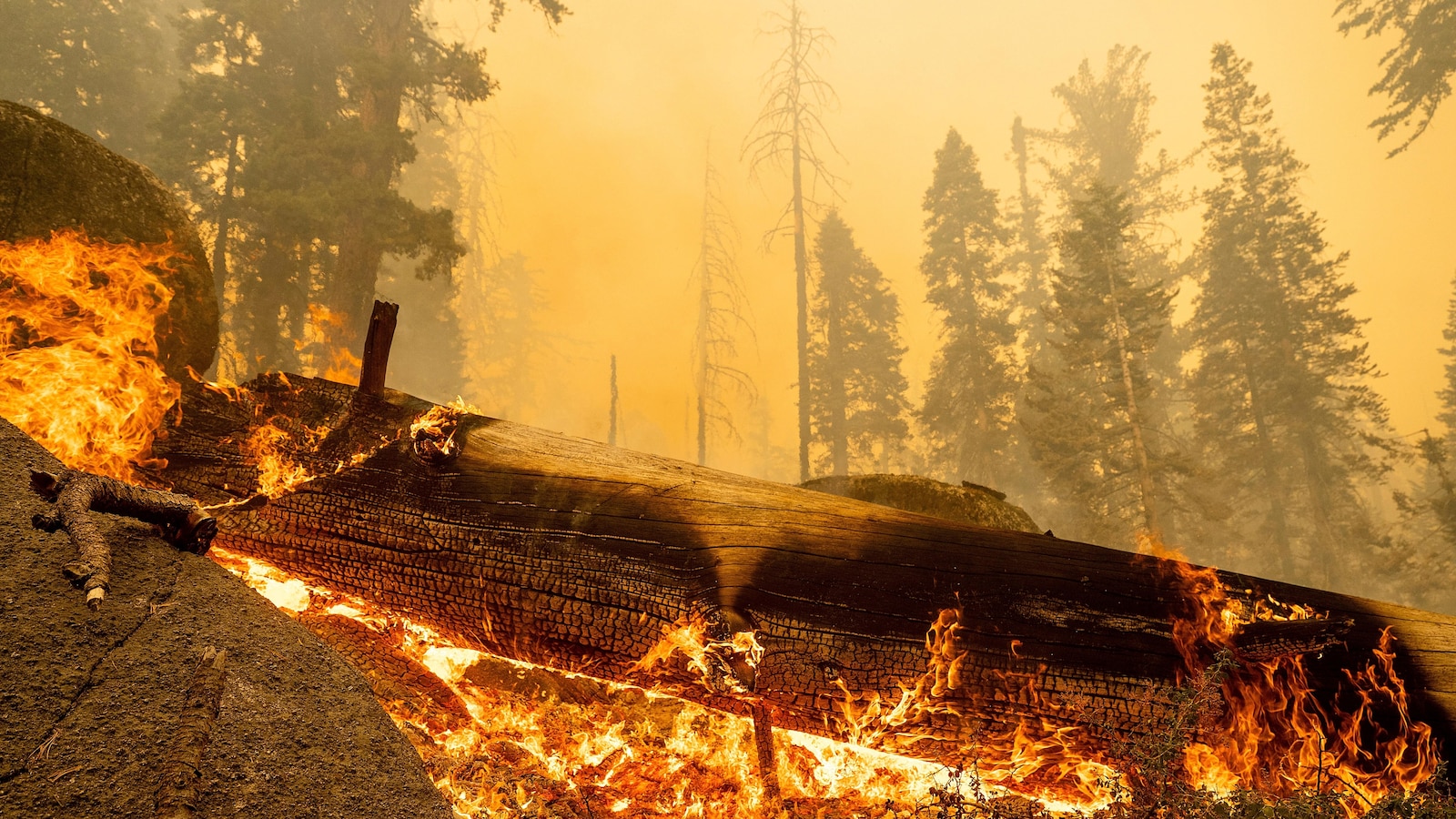



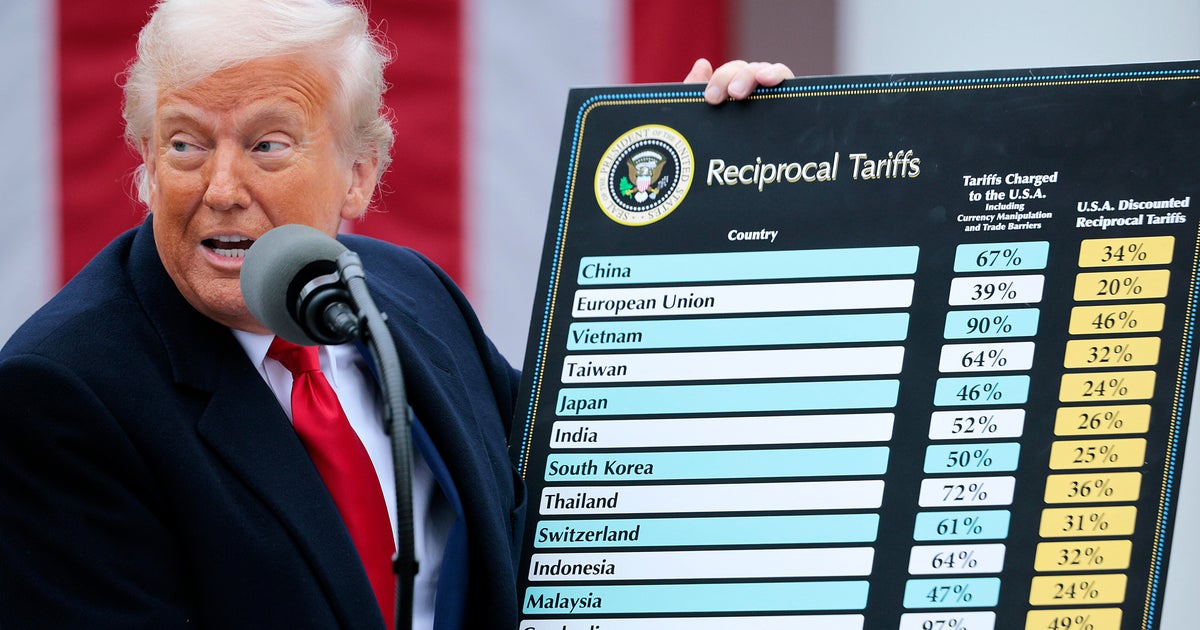











 UC Berkeley scientists studied five major wildfires the Wine Country’s


